
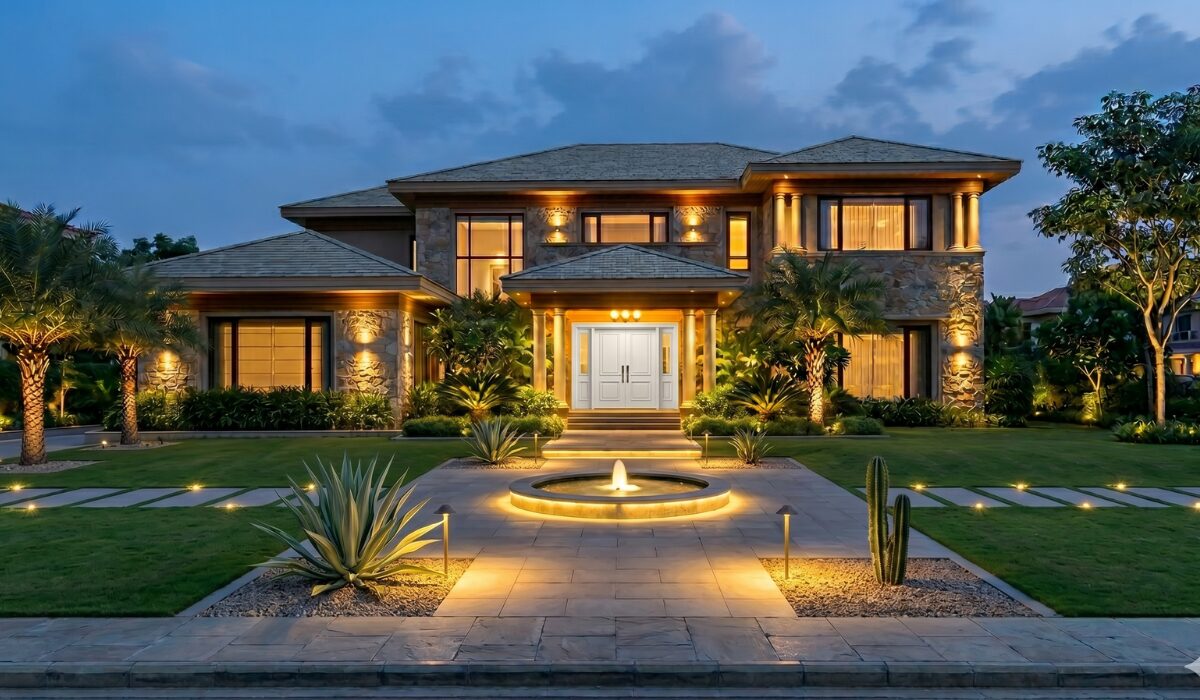
Deck lighting is one of the most effective ways to enhance both the functionality and appearance of your outdoor space.
For homeowners in North Atlanta, adding lighting to decks and pathways is not just about aesthetics, it’s about improving safety, extending usability, and creating a more inviting outdoor environment.
Before moving forward with installation, it’s important to understand how deck lighting works, what options are available, and what factors influence long-term performance.
Benefits of Deck Lighting Installation
One of the primary benefits of deck lighting installation is improved safety.
Decks often include steps, railings, and elevation changes that can become hazardous in low-light conditions.
Proper lighting reduces the risk of trips and falls by clearly illuminating walking surfaces and transitions. This is especially important for families, guests, and anyone using the space at night.
Deck lighting also enhances security. A well-lit outdoor area discourages unwanted activity by eliminating dark corners and increasing visibility around the home.
Lighting along pathways and deck perimeters creates a safer environment and adds an extra layer of protection.
From an aesthetic perspective, deck lighting significantly improves the look of your outdoor space.
It highlights architectural features, adds depth to the design, and creates a warm, inviting atmosphere.
Whether you prefer subtle lighting along railings or more dramatic accent lighting, the right setup can transform your deck into a visually appealing extension of your home.
Another key advantage is extended usability. With proper lighting, your deck becomes a functional space after sunset.
This allows homeowners to entertain guests, enjoy outdoor dining, or relax outside without being limited by daylight.
Deck lighting essentially expands your living space, making it more versatile and enjoyable.
Understanding the Costs of Deck Lighting Installation
Cost is a common consideration for homeowners planning a deck lighting project.
The total investment can vary depending on the size of the deck, the number of fixtures required, and the complexity of the design.
Basic lighting setups, such as step lights or post cap lights, are typically more affordable and can still provide significant improvements in safety and visibility.
However, more advanced systems that include integrated lighting, custom designs, and multiple lighting layers will require a higher investment.
The type of lighting used also impacts cost. LED lighting is a popular choice due to its energy efficiency and long lifespan.
While the upfront cost may be higher compared to traditional bulbs, LEDs reduce energy consumption and require less frequent replacement, making them more cost-effective over time.
Installation costs should also be factored in. Professional installation ensures that wiring is properly handled, fixtures are correctly placed, and the system operates efficiently.
While DIY installation may seem like a way to save money, it often leads to uneven lighting, potential electrical issues, and shorter system lifespan.
Ultimately, the cost of deck lighting depends on your goals and the level of customization you want.
Investing in quality materials and professional installation can provide better long-term value and performance.
The Deck Lighting Installation Process
 Understanding the installation process can help homeowners feel more prepared when planning their project.
Professional deck lighting installation typically begins with a consultation, where the layout of the deck is evaluated and lighting goals are discussed.
During the design phase, a customized plan is created to ensure proper placement of fixtures.
This includes identifying key areas such as steps, railings, seating areas, and pathways that require illumination. The goal is to achieve a balance between functionality and visual appeal.
Once the design is finalized, installation begins. Fixtures are carefully positioned, wiring is installed, and the system is connected to a power source.
Professional installers ensure that all components are secure, weather-resistant, and properly aligned for optimal performance.
After installation, the system is tested and adjusted. This may involve fine-tuning brightness levels, repositioning lights, or making minor adjustments to achieve the desired effect.
The result is a cohesive lighting system that enhances both safety and aesthetics.
Ongoing maintenance is also important. Over time, fixtures may need cleaning, adjustments, or occasional replacement.
Regular maintenance helps ensure that the lighting system continues to perform effectively and maintain its visual appeal.
Comparing DIY vs. Professional Deck Lighting
Many homeowners consider whether to install deck lighting themselves or hire a professional. While DIY options are widely available, they often come with limitations.
DIY lighting kits are typically designed for simplicity, which can limit customization.
This may result in uneven lighting, poor placement, or a lack of cohesion in the overall design.
Additionally, improper installation can lead to electrical issues or reduced durability.
Professional deck lighting offers a more tailored approach.
Experts design systems based on the specific layout and features of your deck, ensuring that lighting is both functional and visually balanced.
They also use high-quality materials that are built to withstand outdoor conditions.
Another advantage of professional installation is expertise in lighting design.
Proper placement and layering of light can significantly impact the final result.
Professionals understand how to create depth, avoid glare, and highlight key features effectively.
Safety is also a major factor. Electrical work requires proper knowledge and adherence to safety standards.
Hiring professionals reduces the risk of installation errors and ensures that the system operates safely.
For homeowners looking for reliable, long-lasting results, professional solutions such as deck and path lighting installation provide a more effective and visually appealing outcome.
Conclusion
Deck lighting is a valuable addition for homeowners looking to improve safety, enhance curb appeal, and extend the usability of their outdoor spaces.
By illuminating key areas of your deck, it reduces risks, creates a more secure environment, and transforms your outdoor space into a welcoming and functional area.
Understanding the benefits, costs, and installation process can help you make informed decisions before starting your project.
While DIY options may offer a quick solution, professional installation provides better design, durability, and long-term value.
If you’re ready to upgrade your outdoor space, NightVision Outdoor Lighting offers professional deck and path lighting services designed to match your home’s layout and style.
Schedule a consultation today to create a customized lighting plan that enhances both safety and curb appeal.
FAQs
What types of deck lighting are available?
Common options include step lights, post cap lights, railing lights, and recessed deck lights, each designed to improve safety and enhance the overall look of your deck. A combination of these options can create a balanced and visually appealing lighting design.
Is deck lighting energy-efficient?
Yes, most modern deck lighting systems use LED technology, which consumes less energy and lasts longer than traditional lighting options. This helps reduce energy costs while providing consistent and reliable illumination.
How long does deck lighting installation take?
Installation time varies based on project size, but most standard deck lighting systems can be completed within one to a few days. Larger or more customized projects may take additional time to ensure proper design and placement.
Can deck lighting be added to an existing deck?
Yes, lighting can be integrated into existing decks without major structural changes, making it a flexible upgrade option. Professional installation ensures seamless integration with your current deck layout.
Does deck lighting require maintenance?
Yes, routine maintenance such as cleaning and minor adjustments helps keep your system working efficiently and looking its best. Regular upkeep also extends the lifespan of your lighting system and ensures consistent performance.