
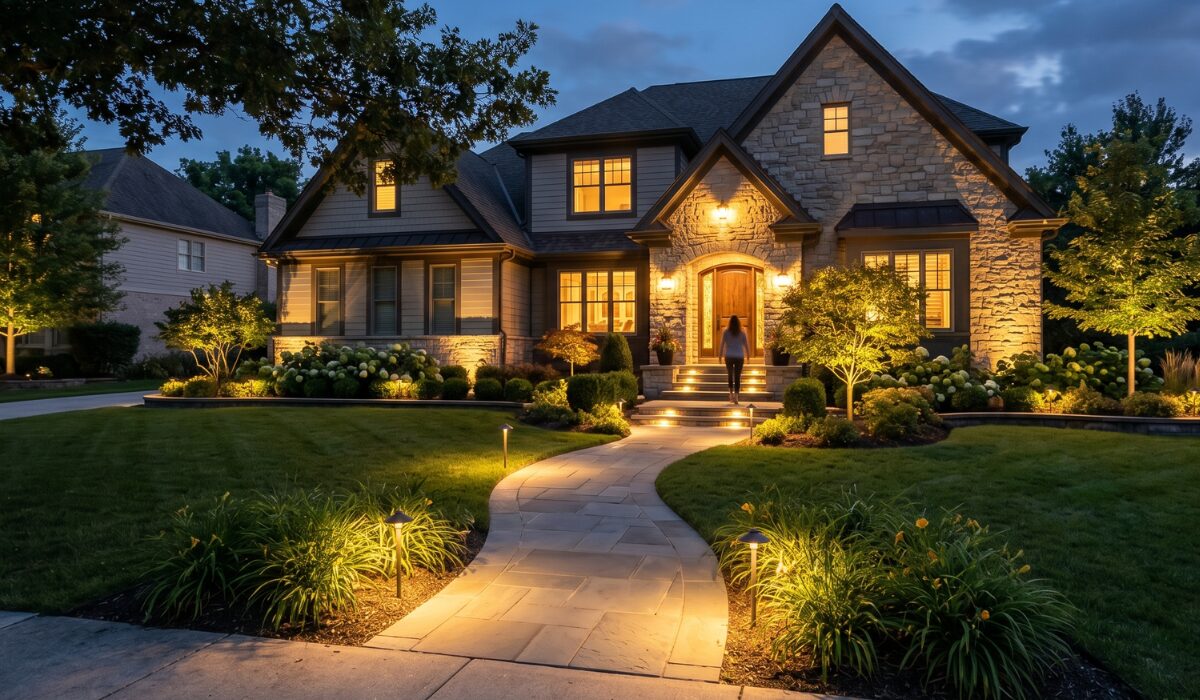
Landscape lighting plays a crucial role in enhancing both the safety and visual appeal of your property.
For homeowners in North Atlanta and surrounding areas, investing in professional outdoor lighting is more than just an aesthetic upgrade, it’s a strategic improvement that increases usability, security, and overall property value.
Whether you’re considering subtle pathway lights or a fully customized lighting design, understanding how landscape lighting impacts your home can help you make informed decisions before hiring a professional service.
Benefits of Landscape Lighting for Safety and Curb Appeal
One of the most immediate advantages of landscape lighting is improved visibility.
Properly illuminated walkways, driveways, and entry points reduce the risk of trips and falls, especially in low-light conditions.
This is particularly important for families with children, elderly residents, or frequent guests.
By strategically placing lights along paths and steps, homeowners can create a safer environment that minimizes hazards.
In addition to safety, landscape lighting acts as a strong deterrent against potential intruders.
Well-lit properties eliminate dark hiding spots, making it more difficult for unauthorized individuals to approach unnoticed.
Motion-sensor lighting and perimeter illumination further enhance security, providing peace of mind throughout the night.
From an aesthetic standpoint, landscape lighting dramatically improves curb appeal.
It highlights architectural features, accentuates landscaping elements, and creates a welcoming ambiance.
Trees, garden beds, water features, and exterior walls can all be transformed into focal points with the right lighting design.
This not only enhances the beauty of your home but also increases its perceived value.
Another key benefit is extended outdoor usability. With proper lighting, patios, decks, and outdoor living areas become functional after sunset.
This allows homeowners to entertain guests, relax outdoors, or enjoy their property for longer periods, making outdoor spaces more versatile and enjoyable.
Understanding the Costs of Landscape Lighting
When considering landscape lighting, cost is often one of the first questions homeowners ask.
The overall investment can vary depending on several factors, including the size of the property, the complexity of the design, and the type of fixtures used.
Basic lighting setups, such as pathway or garden lights, tend to be more affordable and can still provide noticeable improvements in safety and appearance.
However, more advanced systems that include accent lighting, uplighting, and custom designs typically require a higher investment.
These systems are tailored to the specific layout and features of the property, resulting in a more polished and cohesive look.
Another factor influencing cost is the quality of materials. High-quality fixtures, LED technology, and weather-resistant components may have a higher upfront cost but offer long-term durability and energy efficiency.
LED lighting, in particular, consumes less energy and requires less maintenance, making it a cost-effective choice over time.
Professional installation is also an important consideration.
While some homeowners may explore DIY options, professionally installed systems ensure proper placement, wiring, and performance.
This reduces the risk of issues such as uneven lighting, electrical problems, or premature fixture failure.
Ultimately, landscape lighting should be viewed as an investment rather than an expense.
The combination of improved safety, enhanced curb appeal, and increased property value makes it a worthwhile addition for many homeowners.
The Landscape Lighting Installation Process
Understanding the installation process can help homeowners feel more confident when planning a landscape lighting project.
Professional installation typically begins with a consultation and site evaluation.
During this stage, lighting experts assess the property, identify key areas for illumination, and discuss the homeowner’s goals and preferences.
The next step is the design phase. A customized lighting plan is created to highlight important features while maintaining balance and consistency.
This may include pathway lighting for safety, accent lighting for visual impact, and ambient lighting for overall illumination.
Once the design is finalized, the installation process begins.
This involves placing fixtures, running wiring, and connecting the system to a power source.
Professional installers ensure that all components are properly secured and positioned for optimal performance.
They also take care to minimize disruption to landscaping during the installation process.
After installation, the system is tested and adjusted as needed. This ensures that lighting levels are appropriate and that all areas are evenly illuminated.
Adjustments may include repositioning fixtures, modifying angles, or fine-tuning brightness levels.
Maintenance is another important aspect of landscape lighting.
Over time, fixtures may need cleaning, bulbs may require replacement, and adjustments may be necessary due to plant growth or environmental changes.
Many professional services offer ongoing maintenance to keep the system functioning effectively.
Comparing DIY vs. Professional Landscape Lighting
Homeowners often consider whether to install landscape lighting themselves or hire professionals.
While DIY options may seem cost-effective initially, they often come with limitations in terms of design, performance, and durability.
DIY systems typically use pre-packaged kits with limited customization.
This can result in uneven lighting, insufficient coverage, or a lack of visual impact. Additionally, improper installation may lead to electrical issues or reduced system lifespan.
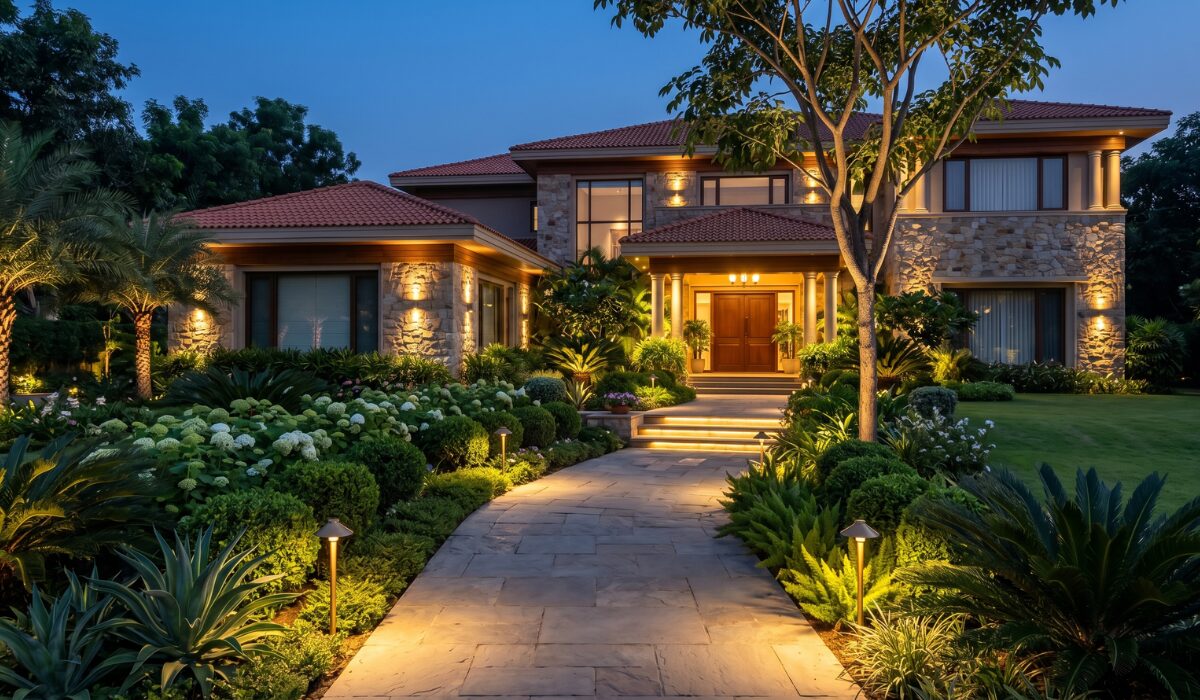
Professional landscape lighting, on the other hand, offers a tailored approach.
Experts design systems based on the unique characteristics of the property, ensuring that lighting is both functional and visually appealing. They also use high-quality materials and advanced techniques to deliver long-lasting results.
Another advantage of professional installation is expertise in lighting design.
Proper placement and layering of light can make a significant difference in the final outcome.
Professionals understand how to balance brightness, avoid glare, and create depth, resulting in a more refined and cohesive look.
Safety is also a key consideration. Electrical work requires knowledge and experience to ensure that systems are installed correctly and comply with local codes.
Professional installers handle these aspects, reducing the risk of potential issues.
For homeowners seeking long-term value and high-quality results, professional solutions such as custom outdoor lighting installation provide a more reliable and visually impactful outcome.
Conclusion
Landscape lighting is a powerful upgrade that combines safety, functionality, and visual enhancement.
By illuminating key areas of your property, it reduces risks, deters unwanted activity, and creates a welcoming environment.
At the same time, it highlights the unique features of your home, significantly improving curb appeal and overall value.
Whether you’re starting with a basic setup or planning a fully customized design, professional landscape lighting ensures optimal results and long-term performance.
From consultation to installation and maintenance, working with experienced specialists at NightVision Outdoor Lighting can make a meaningful difference.
If you’re ready to enhance your property, you can choose our professional landscape lighting solutions tailored to your home and outdoor space.
FAQs
What areas of my property should be prioritized for landscape lighting?
The most important areas to prioritize include walkways, driveways, entry points, and steps, as these directly impact safety. After addressing these, homeowners can focus on accentuating architectural features, trees, and garden areas to enhance visual appeal. A balanced approach ensures both functionality and aesthetics.
How long does a landscape lighting installation take?
The timeline for installation depends on the size and complexity of the project. Smaller systems may be completed in a single day, while larger, customized designs can take several days. Professional installers typically provide a clear timeline during the consultation phase to set expectations.
Is landscape lighting energy-efficient?
Modern landscape lighting systems often use LED technology, which is highly energy-efficient. LEDs consume significantly less power than traditional bulbs and have a longer lifespan, reducing both energy costs and maintenance requirements over time.
Can landscape lighting increase property value?
Yes, well-designed landscape lighting can enhance curb appeal and make a property more attractive to potential buyers. It creates a polished and inviting appearance, which can positively influence perceived value and marketability.
Do I need maintenance for my landscape lighting system?
Regular maintenance is recommended to keep the system performing at its best. This may include cleaning fixtures, replacing bulbs, and adjusting lighting positions as landscaping changes. Many professional providers offer maintenance services to ensure long-term reliability.