
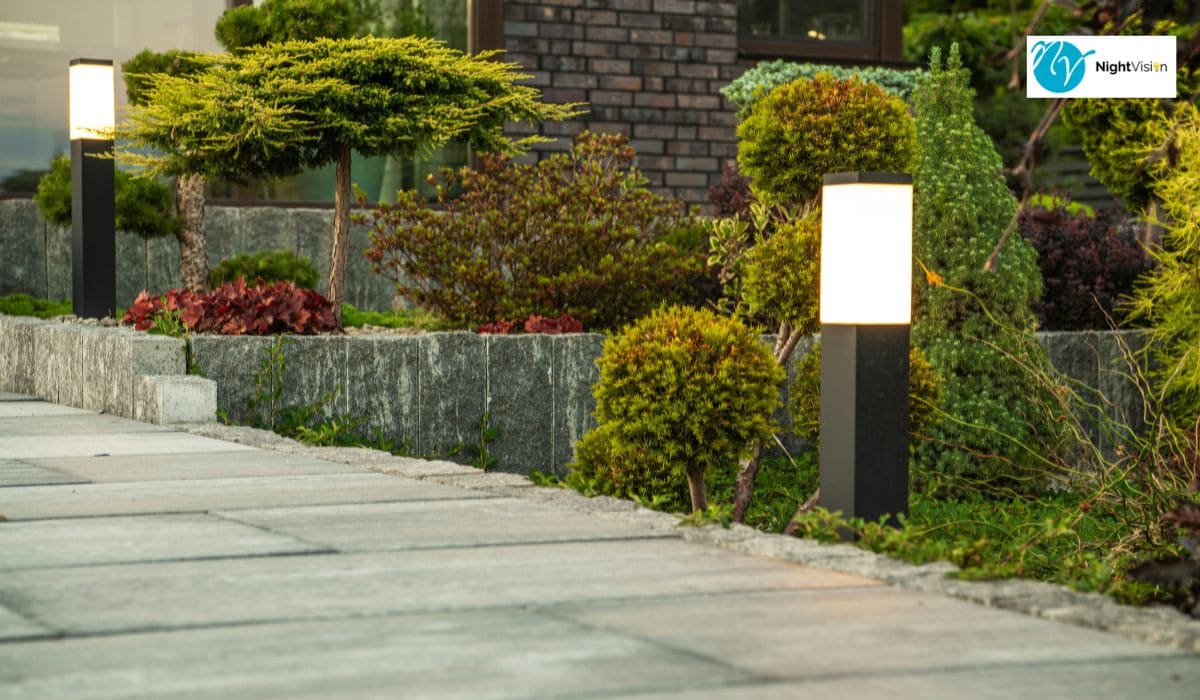
Outdoor lighting is essential for commercial properties, but it can also be a significant contributor to energy expenses if not designed efficiently.
Traditional lighting systems often consume more power, require frequent maintenance, and deliver inconsistent performance.
LED outdoor lighting has become the preferred solution for businesses looking to reduce energy costs while improving reliability and overall lighting quality.
For property owners in North Atlanta, understanding how LED lighting works and why it’s more efficient can help guide smarter decisions when upgrading or installing a commercial lighting system.
Benefits of LED Outdoor Lighting
One of the most important benefits of LED outdoor lighting is energy efficiency.
LEDs use significantly less electricity compared to traditional incandescent or halogen bulbs.
This allows businesses to maintain proper illumination without excessive power consumption, resulting in noticeable savings on energy bills.
Another advantage is longer lifespan. LED fixtures are designed to last much longer than conventional lighting options.
This reduces the frequency of replacements, saving both time and maintenance costs over the life of the system.
LED lighting also provides consistent brightness and better light quality. Unlike older systems that may flicker or dim over time, LEDs deliver steady illumination, which is especially important for safety and visibility in commercial environments.
Durability is another key factor. LED fixtures are built to withstand outdoor conditions, including weather exposure and temperature changes.
This makes them a reliable option for long-term use in commercial settings.
Additionally, LED systems are compatible with modern controls such as timers and smart lighting systems.
These features allow businesses to optimize usage and further reduce energy consumption.
How LED Lighting Reduces Energy Costs
Lower Power Consumption
LED lights require less energy to produce the same level of brightness as traditional bulbs.
This efficiency directly reduces electricity usage, leading to lower utility bills over time.
Reduced Maintenance Expenses
Because LEDs last longer, businesses spend less on replacements and maintenance.
Fewer service calls and less downtime contribute to overall cost savings.
Improved Efficiency Through Smart Controls
LED systems can be paired with motion sensors, timers, and automated controls. These features ensure that lights are only used when needed, preventing unnecessary energy usage.
Better Heat Management
Traditional lighting systems often generate more heat, which can lead to energy loss.
LEDs produce minimal heat, making them more efficient and reducing strain on electrical systems.
Optimized Lighting Design
LED technology allows for more precise lighting design.
This means fewer fixtures are needed to achieve the desired coverage, further reducing energy consumption.
Understanding the Costs of Switching to LED Lighting
LED lighting offers long-term savings; the initial investment can be higher than traditional lighting systems.
Costs typically include new fixtures, installation, and potential upgrades to existing wiring.
However, these upfront costs are often offset by reduced energy bills and lower maintenance expenses.
Many businesses see a return on investment over time as operational costs decrease.
The size of the property and the complexity of the lighting system also influence cost.
Larger properties or those requiring customized designs may require a greater investment.
Choosing high-quality LED fixtures can increase upfront costs but ensures better performance and durability, leading to greater savings in the long run.
The LED Lighting Installation Process
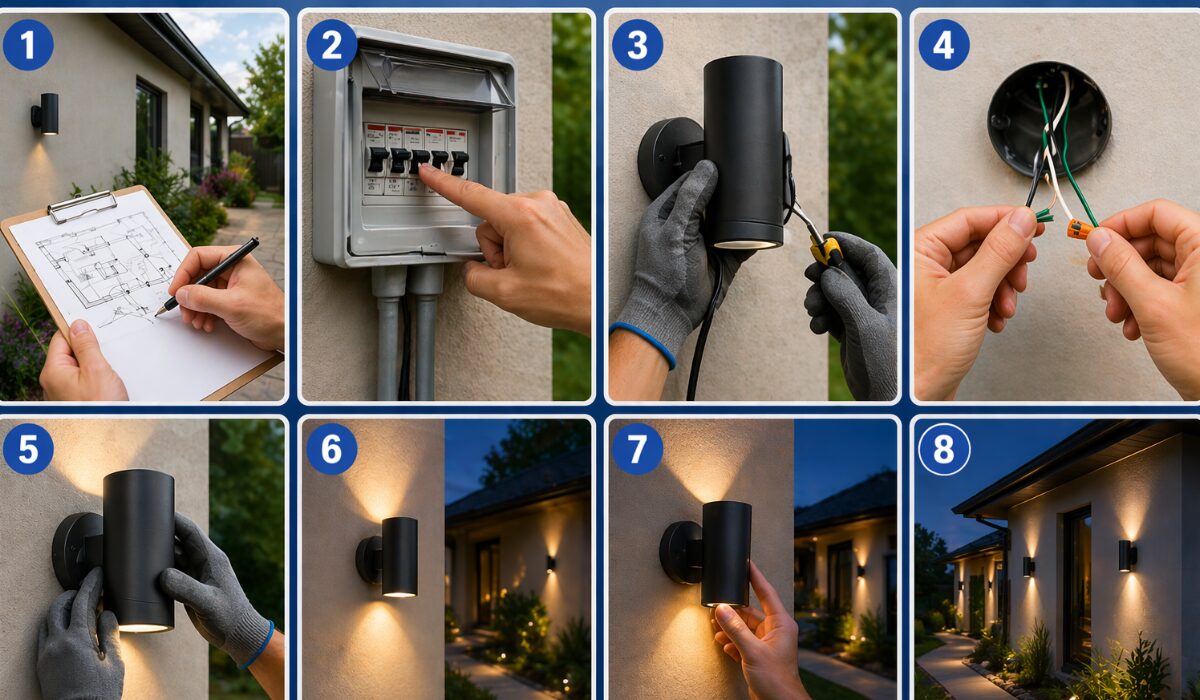
Installing LED outdoor lighting typically begins with an assessment of the current system.
Professionals evaluate existing fixtures, energy usage, and lighting needs to determine the best approach for upgrading.
During the design phase, a new lighting plan is created to maximize efficiency and coverage.
This includes selecting appropriate fixtures and determining optimal placement.
Installation involves replacing old fixtures, updating wiring if necessary, and integrating new LED components.
Professional installers ensure that all elements are properly connected and functioning.
After installation, the system is tested and adjusted to ensure optimal performance. This may include fine-tuning brightness levels and verifying energy efficiency.
Ongoing maintenance is minimal compared to traditional systems, but periodic checks help maintain performance and extend the lifespan of the system.
 Comparing LED vs. Traditional Lighting
Traditional lighting systems, such as incandescent and halogen bulbs, are less energy-efficient and have shorter lifespans.
They consume more power and require frequent replacements, leading to higher long-term costs.
LED lighting, on the other hand, offers superior efficiency, durability, and performance.
It provides consistent illumination while using less energy, making it a more cost-effective option for commercial properties.
Another difference is heat output. Traditional bulbs generate more heat, which can lead to energy waste and potential safety concerns.
LEDs operate at lower temperatures, improving overall efficiency.
From a design perspective, LED lighting offers greater flexibility. It allows for more precise control of brightness and coverage, resulting in a more effective lighting system.
For businesses looking to upgrade their systems, solutions like commercial LED outdoor lighting provide a reliable and energy-efficient alternative.
Conclusion
LED outdoor lighting is a smart investment for businesses looking to reduce energy costs while improving performance and reliability.
By consuming less power, requiring less maintenance, and offering longer lifespan, LED systems provide significant long-term savings.
Understanding the benefits, costs, and installation process helps businesses make informed decisions when upgrading their lighting systems.
The initial investment may be higher, but the long-term advantages make LED lighting a cost-effective solution.
For businesses ready to improve efficiency and lower operational costs, NightVision Outdoor Lighting offers professional LED outdoor lighting solutions designed to deliver reliable performance and long-term energy savings.
FAQs
How much energy can LED outdoor lighting save?
LED lighting can reduce energy consumption by up to 70–80% compared to traditional lighting systems, depending on usage and setup. This leads to significant long-term cost savings. Actual savings may vary based on system design and usage patterns.
Is LED lighting suitable for all commercial properties?
Yes, LED lighting can be adapted to various commercial settings, including offices, retail spaces, warehouses, and outdoor areas. Custom designs ensure the system meets specific property requirements.
How long do LED outdoor lights last?
LED lights typically last much longer than traditional bulbs, often exceeding 25,000 hours of use. This reduces the need for frequent replacements. Longer lifespan also helps lower overall maintenance costs.
Does switching to LED require rewiring?
In many cases, existing systems can be upgraded without major rewiring, but some installations may require minor adjustments for compatibility. A professional assessment helps determine the exact requirements. This ensures a smooth transition and optimal performance of the new lighting system.
Are LED lights brighter than traditional lights?
LED lights provide more efficient brightness, meaning they can deliver the same or better illumination using less energy. This ensures consistent lighting performance across the property. They also offer better light distribution for improved visibility and coverage.
Do LED systems require maintenance?
LED systems require minimal maintenance, but occasional inspections help ensure consistent performance and longevity. Regular checks can prevent minor issues from becoming major problems. Proper upkeep helps maximize the lifespan and efficiency of the system.
Can LED outdoor lighting help reduce maintenance costs?
Yes, LED outdoor lighting significantly reduces maintenance costs due to its long lifespan and durable design. These lights require fewer replacements compared to traditional bulbs, which lowers labor and material expenses. Additionally, their reliability minimizes unexpected failures and service calls. Over time, this results in more consistent performance and reduced overall maintenance effort.