
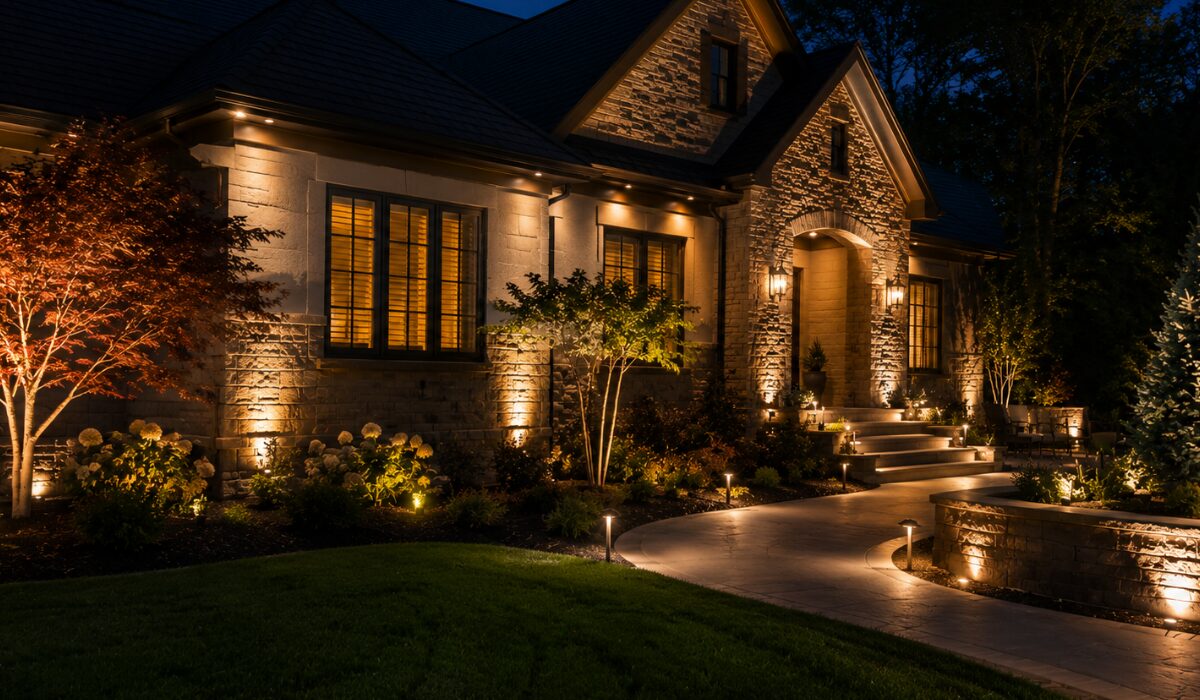
Home accent lighting is a type of lighting used to highlight specific objects, areas, or architectural features in and around your home.
As compared to general lighting that illuminates an entire room, accent lighting directs attention to features you want people to notice, such as artwork, fireplaces, built-in shelving, textured walls, decorative objects, or landscaping.
By creating focused beams or broader washes of light, accent lighting can add depth, create visual focal points, and make your home’s design more visually engaging.
Whether you want to showcase a favorite piece of art, emphasize architectural details, or enhance an outdoor feature, the right accent lighting can change how your home looks and feels.
How Is Accent Lighting Different From Ambient and Task Lighting?
Accent lighting differs from ambient and task lighting mainly in its purpose.
Ambient lighting provides overall illumination for a room, while task lighting delivers focused light for specific activities.
For example, ceiling lights may provide general illumination, and under-cabinet lights may help with kitchen tasks.
An accent light might instead be directed at a painting, fireplace, textured wall, or display shelf to make it stand out.
Why Use Home Accent Lighting?
One of the biggest advantages of home accent lighting is its ability to change how you experience a space without requiring major structural changes.
Here are some of the reasons homeowners choose to incorporate accent lighting into their designs.
It Highlights Your Home’s Best Features
Every home has features that deserve more attention. It could be a beautiful piece of artwork, a stone fireplace, a custom staircase, or a collection displayed on open shelving.
Without dedicated lighting, these features may blend into the surrounding space. A carefully positioned accent light can bring them forward and make them more noticeable.
This is especially useful when you have invested in custom architectural details or décor that you want to showcase.
It Adds Depth and Dimension
Uniform lighting can sometimes make a room appear flat. Accent lighting introduces variations in brightness and shadow, creating greater visual depth.
For example, lighting a textured wall from an angle can emphasize its surface details.
Similarly, an upward glow in a darker corner can add vertical interest and make the room feel more dynamic.
The contrast created between light and shadow is an important part of what makes accent lighting visually effective.
It Helps Create a Specific Mood
Lighting has a significant influence on the atmosphere. A bright, evenly illuminated room can feel energetic and functional, while carefully placed accent lights can create a softer and more intimate environment.
Dimmable accent lighting can provide even more flexibility. You may want brighter illumination when showcasing artwork or décor and a softer glow when relaxing in the evening.
This makes accent lighting useful for homeowners who want their rooms to feel different at different times of day.
It Makes Décor More Noticeable
A carefully selected piece of artwork or decorative object can lose its impact if it is poorly lit. Accent lighting gives these elements a dedicated visual presence.
Picture lights, directional spotlights, shelf lighting, and recessed fixtures can all be used to bring attention to decorative features.
The key is to choose the lighting based on the object and its surroundings rather than simply adding more fixtures.
Where Can You Use Accent Lighting in Your Home?
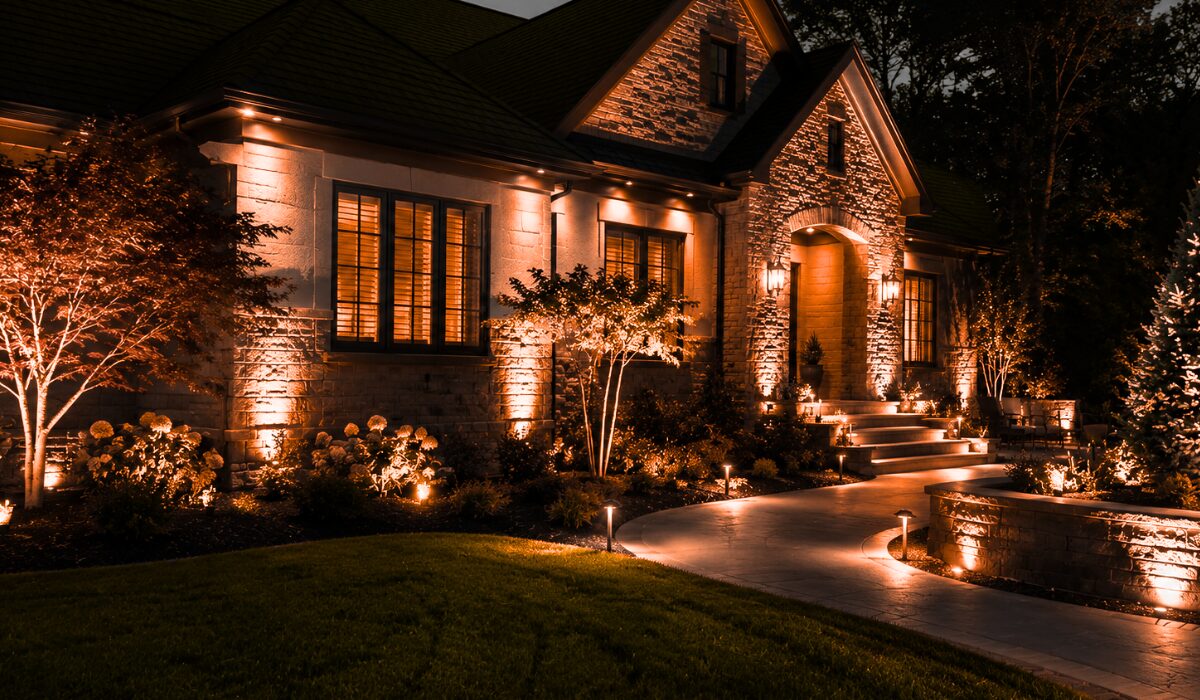 Home accent lighting is versatile and can be incorporated into almost any room.
Living Room
The living room is one of the most common areas for accent lighting. You can use it to highlight artwork, a fireplace, built-in shelves, architectural details, or decorative objects.
Accent lighting can also help balance darker corners and create a more inviting atmosphere when the main overhead lighting is turned down.
Kitchen
In the kitchen, accent lighting can draw attention to design elements such as a backsplash, glass-front cabinets, open shelving, or decorative displays.
Under-cabinet lighting can sometimes serve both functional and decorative purposes.
When positioned carefully, it can illuminate surfaces while also contributing to the overall layered lighting design.
Bedroom
Accent lighting in a bedroom should generally support a calm and comfortable atmosphere. It can be used to highlight a textured headboard wall, artwork, shelving, or architectural features.
Concealed lighting behind a headboard or within built-in storage can create a subtle glow without making the space feel overly bright.
Hallways and Entryways
Hallways and entryways can benefit from accent lighting because these areas often contain artwork, wall niches, or architectural details that might otherwise be overlooked.
A focused light can make a narrow space feel more intentional while creating visual interest as people move through the home.
Bathroom
Accent lighting can highlight tilework, decorative surfaces, niches, or architectural details.
However, fixtures used in bathrooms must be appropriate for the location and moisture conditions.
Outdoor Areas
Accent lighting is not limited to interiors. Outdoor accent lighting can highlight trees, landscaping, architectural elements, patios, and other exterior features.
The same basic principle applies: the goal is to draw attention to selected features rather than illuminate everything equally.
How to Plan Home Accent Lighting
Effective accent lighting starts with thoughtful planning rather than simply adding more fixtures. Follow these key steps:
Start With a Focal Point: Identify the features you want to highlight, such as artwork, fireplaces, shelving, or architectural details.
Choose the Right Fixture: Select fixtures based on the size of the feature and the desired effect. Narrow beams suit smaller objects, while wider beams work well for larger surfaces.
Consider Light Direction: Use downlighting, uplighting, or indirect lighting depending on the feature you want to emphasize and the effect you want to create.
Balance Brightness and Contrast: Accent lighting should stand out without overpowering the space. Dimmers can help adjust brightness for different times and occasions.
Think About Color Temperature: Warm white lighting creates a cozy feel and complements materials like wood and stone, while neutral or cooler tones may suit contemporary interiors.
Final Thoughts
Home accent lighting can highlight your home’s character, create visual depth, and enhance the mood of a space.
Whether you’re showcasing artwork, architectural details, shelving, or outdoor features, strategically placed fixtures can make a meaningful impact.
By combining accent lighting with ambient and task lighting, you can create a balanced, layered design.
A professional can help you choose the right fixtures and develop a plan suited to your home’s needs.
Does Your Home Need Accent Lighting?
If you want to highlight your home’s architectural details, artwork, textured surfaces, or outdoor features, accent lighting can make a noticeable difference.
It can also add depth to rooms that feel flat and give you more control over the atmosphere of your space.
Not sure where to start? A professional external lighting team can evaluate your home, identify the features worth highlighting, and recommend the right fixtures and placement.
Contact us today to discuss your accent lighting needs and create a lighting plan designed around your home.
FAQs
What is the main purpose of home accent lighting?
The main purpose of home accent lighting is to draw attention to a specific object, area, or architectural feature. Unlike ambient lighting, which illuminates a room broadly, accent lighting creates emphasis and visual interest.
What can I highlight with accent lighting?
You can use accent lighting to highlight artwork, fireplaces, architectural details, textured walls, shelving, collectibles, cabinets, plants, and other decorative features. The best choices are usually elements that add character or visual interest to your home.
Is accent lighting the same as decorative lighting?
Not always. Decorative lighting often refers to fixtures that contribute to a room’s visual style, while accent lighting describes the purpose of the light—highlighting a particular feature. A decorative fixture can sometimes provide accent lighting, but the two terms are not interchangeable.
Can accent lighting replace ceiling lights?
Generally, accent lighting is not intended to replace general room illumination. It works best as one layer of a complete lighting plan that also includes ambient and, where needed, task lighting.
Is LED lighting good for home accent lighting?
LED lighting is commonly used for accent applications because it is available in various fixture styles, brightness levels, beam spreads, and color temperatures. LED strips, spotlights, puck lights, and recessed fixtures can all be used depending on the application.
How bright should home accent lighting be?
The ideal brightness depends on the feature being highlighted, the surrounding lighting, and the desired visual effect. Accent lighting should create enough contrast to draw attention without overpowering the object or making the room uncomfortable.
Should accent lighting be warm or cool?
The best color temperature depends on the home’s finishes and the feature being highlighted. Warm light can create a cozy atmosphere and complement wood and stone, while neutral or cooler light may suit certain contemporary spaces or artwork. Consistency with the surrounding lighting is also important.
Can accent lighting make a small room look bigger?
Accent lighting can contribute to a stronger sense of depth and dimension by creating contrast between light and shadow. While it cannot physically increase the size of a room, thoughtful lighting can make the space feel more visually layered and interesting.