

As a property owner, investing in core drilled lighting maintenance services in Atlanta means protecting more than just visibility after dark.
It reflects a commitment to lighting systems designed for dependable performance and long-term structural stability.
Outdoor lighting should not only operate consistently, but also withstand the demands of concrete installations and ongoing environmental exposure.
Core drilled lighting maintenance goes beyond basic operation because these fixtures are integrated directly into concrete and hardscape surfaces.
Once installed, they function as part of the structure itself, enhancing visual appeal while requiring specialized care to preserve electrical reliability and system integrity.
Across Metro Atlanta, core drilled outdoor lighting has become a defining feature of both high-end residential landscapes and commercial properties.
Walkways, retaining walls, patios, campuses, and entry points increasingly rely on this installation method.
Proper maintenance ensures consistent illumination, protects surrounding materials, and supports dependable performance as site conditions and seasons change.
This guide explores how core drilled lighting systems function, why ongoing maintenance plays a critical role in longevity, and how professional care safeguards both safety and aesthetics over time.
How Core Drilled Lighting Systems Are Constructed
Core drilled lighting systems are created by drilling precise cylindrical openings into concrete, masonry, or stone surfaces.
These openings allow fixtures to sit flush with surrounding materials, creating a clean and uninterrupted appearance.
Once installed, the fixture housing, wiring pathways, and surrounding concrete work together as a single integrated system.
Unlike surface-mounted fixtures, core drilled lighting is not designed for frequent removal or adjustment.
The installation process considers depth, alignment, and material density to ensure stability.
As the fixture becomes part of the structure itself, its performance is closely tied to the condition of the concrete and surrounding hardscape.
Why Core Drilled Lighting Is Widely Used in Metro Atlanta
Across Metro Atlanta, property owners continue to adopt core drilled outdoor lighting for its clean integration and long-term performance within concrete and hardscape surfaces.
Many people believe that the core drilled lighting is an ideal outdoor upgrade because it enhances safety while maintaining architectural continuity across walkways, retaining walls, patios, and entry points.
The increasing emphasis on hardscape-driven design has accelerated its use in both residential and commercial environments.
Residential landscapes benefit from seamless transitions between outdoor spaces, while commercial properties depend on lighting that remains unobtrusive and resilient in high-traffic areas.
LED core drilled lighting reinforces these advantages by delivering efficient illumination with minimal heat output.
When paired with concrete core drilling for lights, the system achieves a balance of structural durability, visual refinement, and dependable performance, particularly in locations where surface-mounted fixtures are prone to impact or displacement.
Structural Integration and Its Impact on Maintenance
Because core drilled outdoor lighting is embedded into concrete, its maintenance requirements differ significantly from traditional systems.
Environmental forces such as moisture migration, temperature fluctuation, and soil movement gradually influence both the fixture and the surrounding material.
Drilled concrete lighting systems do not show early warning signs as clearly as surface-mounted alternatives.
Changes often occur below the surface, affecting seals, wiring protection, and fixture alignment.
Maintenance serves as the mechanism that identifies and addresses these developing conditions before they affect lighting output or structural integrity.
Why Core Drilled Lighting Maintenance Matters
Core drilled lighting maintenance extends beyond keeping lights operational.
It preserves the relationship between the fixture, electrical components, and the concrete structure itself.
Without regular evaluation, minor environmental exposure can evolve into performance inconsistencies or electrical strain.
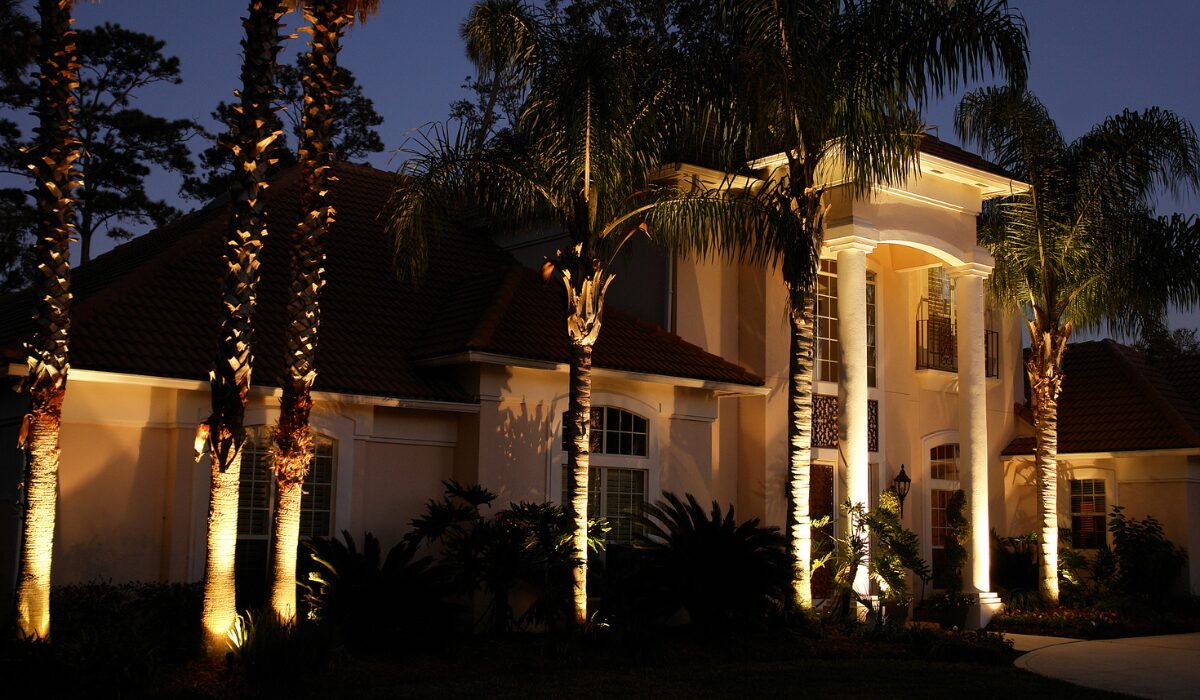
Outdoor lighting maintenance Atlanta property owners rely on must account for humidity, rainfall, and irrigation patterns common to the region.
Ongoing care ensures fixtures remain secure, wiring remains protected, and illumination remains consistent across the system.
Common Conditions That Affect Core Drilled Lighting Over Time
Moisture Retention Within Concrete Openings
Water infiltration can occur gradually as sealants age or surrounding materials shift.
When moisture remains trapped inside the drilled cavity, it may affect wiring and internal components.
Fixture Movement and Alignment Changes
Vibration from foot traffic or vehicles can cause subtle movement within the core opening. Over time, this may alter beam direction or fixture seating.
Material Wear in Outdoor Environments
Metal components and electrical connections experience environmental stress, particularly in humid climates.
This wear may not be visible from the surface but can influence system reliability.
LED Output Variations
While LED technology offers longevity, its performance depends on stable electrical conditions.
Environmental interference can gradually affect brightness consistency or color output.
Recognizing When Maintenance Is Needed
Indicators that a system requires attention often appear as changes in lighting behavior rather than visible damage.
Uneven illumination, intermittent operation, or moisture presence around fixture openings suggest that underlying conditions are evolving.
Increased transformer load or repeated service interruptions may also reflect internal system issues.
Addressing these signs through professional evaluation helps prevent more extensive repairs later.
Residential Core Drilled Lighting Maintenance Considerations
Residential outdoor lighting systems commonly rely on core drill landscape lighting to enhance safety and nighttime navigation.
Pathways, steps, patios, and driveways benefit from fixtures that remain flush with surrounding surfaces.
Maintenance focuses on preserving fixture stability, light distribution, and integration with surrounding hardscape.
Seasonal changes, landscaping adjustments, and irrigation systems all influence the environment around residential installations, making periodic evaluation essential.
Commercial Core Drilled Lighting Maintenance Requirements
Commercial properties face greater demands due to traffic volume, liability considerations, and operational continuity.
Core drilled lighting used in campuses, parking areas, and building entrances must maintain consistent performance.
Commercial outdoor lighting maintenance supports safety compliance and visual continuity.
Regular servicing reduces the likelihood of unexpected outages and helps properties maintain a professional appearance over time.
The Importance of Professional Maintenance for Core Drilled Systems
Core drilled lighting maintenance requires an understanding of both electrical systems and concrete behavior.
Servicing these fixtures without proper expertise can compromise surrounding materials or disrupt electrical connections.
Professionals trained in outdoor lighting systems evaluate conditions below the surface, ensuring that drainage behavior, wiring protection, and fixture seating remain intact.
This approach protects the system as a whole rather than addressing isolated symptoms.
Maintenance Frequency and System Longevity
Maintenance schedules vary based on exposure, traffic levels, and installation depth.
Systems installed in moisture-prone or high-use areas often benefit from more frequent evaluation.
Consistent servicing extends system lifespan by addressing gradual changes before they affect performance.
Over time, this approach supports predictable operation and reduces long-term ownership costs.
Cost Considerations for Core Drilled Lighting Maintenance in Metro Atlanta
The cost of maintenance depends on system size, accessibility, and fixture complexity.
Preventative care typically represents a modest investment compared to the expense of addressing electrical failures or structural damage after problems escalate.
Property owners who prioritize routine outdoor lighting maintenance in Atlanta services often experience fewer disruptions and greater system reliability.
Selecting a provider experienced in core drilled lighting ensures that maintenance addresses both structural and electrical factors.
Local expertise is especially valuable in Metro Atlanta, where climate and soil conditions influence long-term performance.
A specialized outdoor lighting provider brings focused knowledge of fixture design, installation methods, and environmental interaction.
Preserve the Value of Your Core Drilled Lighting Investment
Core drilled lighting represents a long-term commitment to durability, safety, and design continuity.
At NightVision Outdoor Lighting, we are dedicated enough in maintaining concrete-installed lighting systems across Metro Atlanta.
Our services are designed to protect performance, preserve structural integrity, and support reliable illumination year after year.
Whether for a residential landscape or a commercial property, our professional maintenance solutions ensure your lighting system continues to perform as intended.
Schedule a core drilled lighting maintenance evaluation with our talented professionals and protect your outdoor lighting investment.
Frequently Asked Questions
What is core drilled lighting maintenance?
Core drilled lighting maintenance focuses on inspecting and preserving fixtures that are installed directly into concrete or hardscape surfaces. This type of maintenance evaluates fixture stability, electrical connections, moisture exposure, and surrounding material conditions. Because these systems are structurally integrated, maintenance addresses both lighting performance and long-term durability.
Why does core drilled lighting require specialized maintenance?
Core drilled lighting becomes part of the concrete structure rather than sitting on its surface. This integration means environmental factors like moisture, vibration, and temperature changes affect the system differently. Specialized maintenance ensures these hidden influences do not compromise electrical reliability or structural integrity.
How does moisture impact core drilled outdoor lighting systems?
Moisture can migrate into drilled concrete openings over time, especially as sealants age or surrounding materials shift. When water is retained within the core, it may affect wiring, internal components, and fixture performance. Maintenance evaluates internal conditions to reduce long-term exposure risks.
How often should core drilled lighting systems be evaluated?
Maintenance frequency depends on traffic levels, environmental exposure, and installation depth. Systems installed in high-use or moisture-prone areas typically require more frequent evaluations. Regular inspections help identify gradual changes before they affect illumination or safety.
What signs indicate a core drilled lighting system needs attention?
Changes in light output, inconsistent illumination, or intermittent operation often indicate developing issues. Visible cracking around fixture openings or moisture presence near the installation area may also signal underlying concerns. Maintenance identifies these conditions early to prevent escalation.
How does core drilled lighting maintenance differ for residential properties?
Residential systems often serve walkways, steps, patios, and driveways where safety and visual continuity are priorities. Maintenance focuses on preserving alignment, light distribution, and integration with surrounding hardscape. Seasonal landscaping and irrigation changes are also considered during evaluations.
What role does maintenance play in commercial core drilled lighting systems?
Commercial properties rely on consistent illumination to support safety, accessibility, and professional presentation. Maintenance helps ensure lighting remains reliable in high-traffic areas such as campuses, parking zones, and entry points. This approach also supports compliance and reduces operational disruptions.
Why is professional service important for core drill landscape lighting?
Servicing fixtures embedded in concrete requires an understanding of both electrical systems and structural materials. Professional service addresses internal conditions that are not visible at the surface. This level of expertise helps protect surrounding hardscape while preserving system performance.
How does routine maintenance support long-term system performance?
Routine maintenance identifies gradual environmental and structural changes that affect embedded lighting systems. Addressing these conditions early supports consistent illumination and reduces electrical strain. Over time, this approach extends system lifespan and protects the overall lighting investment.