
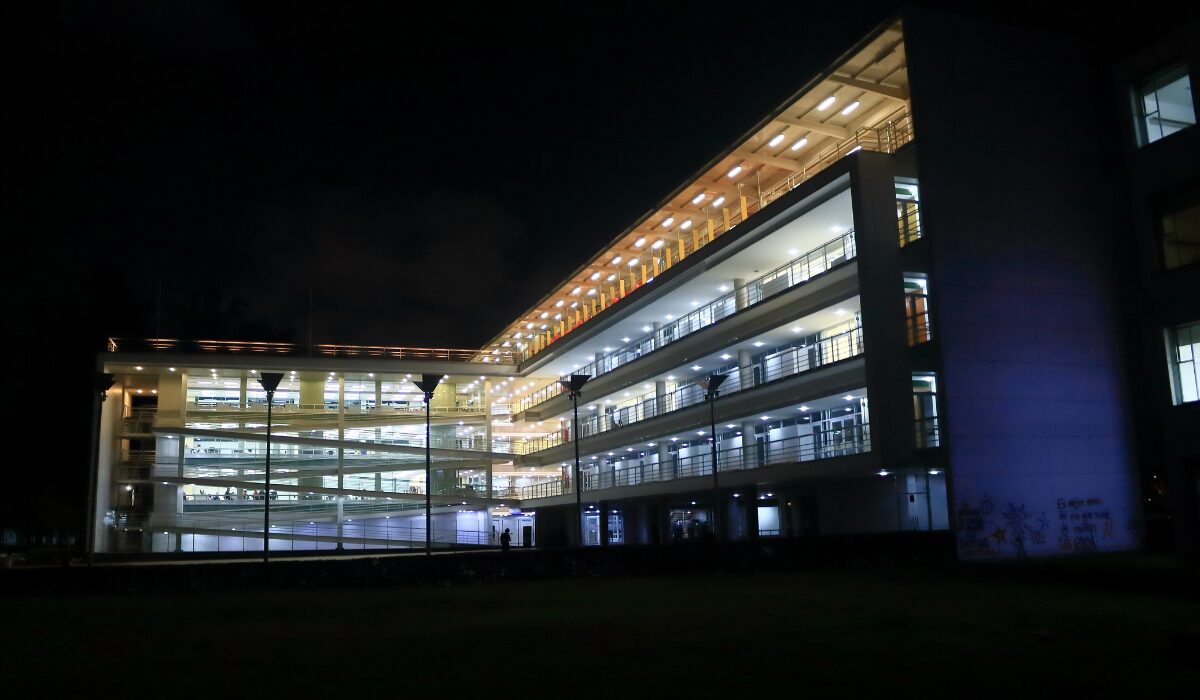
Educational institutions, especially those focusing on EdTech, require carefully designed landscape lighting solutions.
Commercial landscape lighting for EdTech buildings improves campus aesthetics, enhances safety, and increases energy efficiency.
Proper lighting creates a welcoming atmosphere while ensuring a secure environment for students, staff, and visitors.
This blog delves into the benefits, design considerations, and sustainable options for landscape lighting tailored to educational campuses and EdTech buildings.
The Importance of Landscape Lighting for EdTech Buildings
The role of landscape lighting in EdTech campuses extends far beyond aesthetics.
With the right commercial landscape lighting, educational institutions can create a comfortable, secure, and energy-efficient campus that meets both practical and visual needs.
EdTech campus lighting, often featuring advanced technological infrastructure, benefits significantly from custom lighting designs that highlight architectural features while maintaining safety and functionality.
The appropriate landscape lighting can emphasize key campus areas, ensuring clear visibility and enhancing campus identity.
Benefits of Commercial Landscape Lighting for Educational Campuses
Aesthetic Enhancement and Campus Identity
One of the primary reasons for investing in landscape lighting for universities and schools is the significant impact on campus aesthetics.
Well-placed lights highlight the beauty of architectural designs, landscaping features, and pathways.
This lighting serves as an introduction to the campus, giving prospective students, faculty, and visitors a first impression of the institution’s values.
Lighting for school buildings and key areas like student housing or sports fields can add depth and dimension to the campus environment, helping define the institution’s identity.
Increased Safety and Security
Proper landscape lighting can enhance campus security, particularly in areas like pathways, parking lots, and entry points.
Campus security lighting ensures that students and staff can move around the campus safely after dark, reducing the likelihood of accidents and deterring criminal activity.
Strategically placed lights not only illuminate potential hazards but also enhance the effectiveness of surveillance cameras, providing an added layer of safety.
Energy-Efficient Solutions for Sustainable Campuses
With the rise in environmental awareness, many EdTech campuses are opting for energy-efficient lighting for educational institutions.
LED lighting, for example, offers both sustainability and cost savings.
By switching to energy-efficient solutions, schools and universities can reduce their carbon footprint and operating costs.
In addition, lighting systems with motion sensors, timers, and smart controls can further optimize energy use, providing sustainable solutions that align with green campus initiatives.
Improved Navigation and Campus Functionality
Effective outdoor lighting for schools and campuses ensures clear visibility, making it easier for people to navigate through the campus during the evening.
Pathway lights, in particular, guide students and staff from one area to another, reducing the risk of accidents and making the campus more accessible.
Proper lighting around entrances, parking areas, and common spaces makes campuses more functional for evening events and late-night study sessions.
Pathway lighting for campuses enhances safety and accessibility, improving the campus experience after dark.

Types of Landscape Lighting Solutions for Educational Institutions
Pathway Lighting
Pathway lighting is a crucial aspect of landscape lighting for educational campuses.
It ensures that students and staff can safely navigate between buildings, especially at night.
Path lights, bollards, and step lights offer visibility while blending seamlessly with the campus’s design.
This is an essential lighting solution for lighting for school buildings and other key spaces.
Spotlighting for Architectural Features
Using spotlighting for architectural features adds character and depth to buildings and outdoor areas.
Spotlights can highlight the front façade of EdTech buildings, outdoor sculptures, or key landmarks such as main entrances and courtyards, providing a warm, inviting glow while adding dimension to the space.
Security Lighting
To enhance the safety of EdTech campuses, security lighting is vital.
Flood lights, motion sensors, and strategic lighting around entrances, stairwells, and alleys help ensure that dark corners are well-lit and discourage unauthorized access.
This type of lighting is also beneficial for landscape lighting for student housing, where security is a priority.
Sustainable Lighting Options
Sustainability plays a large role in the future of landscape lighting for universities and EdTech buildings.
Solar-powered lights, low-wattage LEDs, and other energy-saving lighting solutions contribute to both cost reduction and environmental responsibility.
These options can be integrated into campus designs without sacrificing effectiveness or style.
Key Considerations When Designing Commercial Landscape Lighting for EdTech Campuses
Understanding Campus Layout and Zoning
Designing the right landscape lighting for colleges involves understanding the campus layout. Different areas of the campus will have different lighting needs.
For example, student housing, sports complexes, and administrative buildings each require distinct lighting solutions.
Working with a professional to assess the layout ensures that each area is lit appropriately without causing light pollution.
Customization for Functionality
Lighting should be customized to meet both functional and aesthetic goals.
Different spaces require specific lighting solutions: illuminated walkways and stairways for safety, ambient lighting in recreational areas, and bright, focused lighting for academic buildings.
This targeted approach enhances the overall functionality and ambiance of the campus.
Smart Lighting Systems for Efficiency
Installing smart lighting control systems is an excellent way to ensure energy efficiency.
These systems can automatically adjust light levels based on time of day, occupancy, or weather conditions.
This not only reduces energy consumption but also allows campus managers to monitor and adjust the lighting remotely.
Energy-Efficient Lighting Solutions for Educational Institutions
LED lighting is a game-changer for EdTech buildings and campuses.
It uses significantly less energy compared to traditional incandescent lighting, making it a popular choice for energy-efficient lighting for educational institutions.
Additionally, LED lights last longer, reducing the frequency and cost of replacements.
Many campuses are incorporating motion-sensor lights and solar-powered lighting as part of their sustainability initiatives.
These options not only reduce energy consumption but also integrate seamlessly with the campus’s green initiatives, making them an essential part of modern campus designs.
Optimized Outdoor Lighting for Elementary and Middle Schools
Key Considerations for Lighting Smaller School Campuses
Elementary and middle schools, often situated within residential neighborhoods, require thoughtful planning when designing exterior lighting systems.
These schools typically have compact campuses, so lighting must be both effective and considerate of the surrounding community. Here are the main factors to keep in mind.
Minimizing Glare for Safety
Glare from outdoor lighting is a common issue for schools located near roadways.
Bright lights can distract drivers and pose a danger to both vehicle and pedestrian traffic.
To mitigate glare, it’s essential to choose lighting fixtures with a low BUG (Backlight, Uplight, Glare) rating.
This ensures the light is focused precisely where needed, such as on pathways or playgrounds, without spilling into surrounding areas.
Using fixtures designed with shielding mechanisms helps further minimize glare.
These lighting solutions direct light downward, enhancing visibility while preventing unwanted light from interfering with drivers or disturbing nearby homes.
Durability for School Grounds
Given the high level of activity on school playgrounds and outdoor areas, the durability of exterior lighting is crucial.
Fixtures must be able to withstand harsh weather conditions, vandalism, and the occasional impact from sports equipment.
Selecting lights made from die-cast aluminum housings and polycarbonate lenses ensures that the fixtures will remain functional despite rough conditions.
Moreover, adding wire guards around lights helps prevent damage to the wiring.
Also, opting for lighting solutions with an IP65 rating guarantees that the fixtures are protected against dust and water, which is especially important in unpredictable weather conditions.
Avoiding Light Trespass into Neighborhoods
For schools located in residential areas, light trespass is a key concern.
It’s important that exterior lighting doesn’t interfere with the daily lives of nearby residents.
The best way to prevent this issue is by using full-cutoff lighting, which directs the light downward and reduces spillage into neighboring properties.
Installing cut-off shields on certain fixtures can also be effective in controlling light direction.
A fixture with a low BUG rating is more likely to direct light accurately and prevent light from reaching unintended areas, offering a solution that benefits both the school and the neighborhood.
Effective Outdoor Lighting Solutions for High School Campuses
High schools often have large campuses that include parking lots, sports fields, outdoor walkways, and multiple entrances.
These areas need more extensive lighting coverage, and with the increase in campus size, effective lighting solutions become even more important.
Here are some key strategies for lighting high school campuses.
Security Lighting with Motion Sensors
High schools often experience higher rates of vandalism or theft due to the larger, more isolated areas on the campus.
Motion-sensor lighting is one of the best ways to enhance security.
These lights only activate when motion is detected, ensuring that the lights are on when needed and off when the area is empty.
This not only saves energy but also ensures that vulnerable areas like entrances or parking lots are well-illuminated during the evening.
Pairing motion sensor lights with security cameras can increase the efficiency of surveillance systems, making it easier to monitor activity in low-traffic areas.
Energy-Efficient Lighting for Large Campuses
Lighting a large campus can be costly if not managed properly. Lighting controls are essential for high schools with expansive grounds.
Timers, dimmers, and occupancy sensors help regulate lighting use, ensuring that lights are dimmed or turned off when not in use.
This significantly reduces the energy consumption of the school while still providing adequate illumination where necessary.
Switching to LED lighting can also contribute to considerable energy savings.
LED fixtures consume less power and last longer, leading to reduced electricity bills and lower maintenance costs.
Reducing Light Pollution with Dark Sky Compliance
High schools in residential areas can help reduce light pollution by using dark sky-compliant lighting fixtures.
These fixtures use warmer-colored bulbs, avoid blue light, and feature design elements like cut-off shields that focus light downward.
These steps not only reduce light pollution but also benefit local wildlife and the surrounding community by minimizing unnecessary light spillage.
Comprehensive Lighting Plans for University Campuses
Addressing the Diverse Needs of University Grounds
University campuses are significantly larger and more complex than those of high schools, with multiple buildings, parking areas, recreational spaces, and dormitories.
As a result, outdoor lighting needs vary greatly across different campus zones. Here are some general guidelines for effective exterior lighting at universities.
Prioritizing Safety and Security Across the Campus
Given the large number of students and faculty members, safety is the highest priority for universities when it comes to lighting.
Outdoor lighting should cover key pedestrian routes, such as walkways connecting dorms to academic buildings, and areas with high foot traffic like bus stops and public spaces.
Ensuring these areas are well-lit at night not only provides safety but also makes the campus feel welcoming.
Strategically placed lighting also increases visibility around emergency call boxes, ensuring they are easy to find in the event of a campus emergency.
Lighting Controls for Energy Efficiency on Large Campuses
Larger campuses demand more lighting, and managing energy costs can be challenging.
Lighting controls, such as motion sensors, timers, and daylight sensors, can help ensure that lights are only on when needed.
Implementing such controls not only saves energy but also helps universities maintain a sustainable campus by reducing overall power consumption.
In addition, LED lighting is the go-to choice for universities looking to reduce their environmental impact.
LEDs provide bright, efficient lighting, and their long lifespan reduces the frequency of bulb replacements, leading to further savings.
Enhancing Environmental Sustainability with Smart Lighting
Sustainability is a major goal for most university campuses, and outdoor lighting plays a significant role in achieving this.
Solar-powered lights, LED technology, and motion-detecting lighting systems are essential for universities striving to reduce their carbon footprint.
These systems ensure that lighting is used efficiently, turning on only when needed, and contributing to energy savings.
Additionally, universities can take advantage of smart lighting systems that integrate with existing building management systems.
These systems allow for remote control of lights, enabling adjustments based on real-time occupancy or conditions.
By considering the unique needs of elementary, middle, high schools, and universities, you can create tailored exterior lighting plans that improve campus safety, reduce energy consumption, and create a welcoming environment for students, staff, and visitors.
Conclusion
In conclusion, investing in commercial landscape lighting for EdTech buildings is an essential part of creating a safer, more efficient, and visually appealing campus.
Whether it’s increasing safety, reducing energy costs, or enhancing the campus’s identity, the right lighting solutions can make a significant impact.
If you’re looking to transform your campus with tailored landscape lighting that meets your specific needs, NightVision Outdoor Lighting is here for all types of outdoor lighting solutions.
Enhance Your Campus with Expert Commercial Landscape Lighting Solutions
Contact our experts to discuss customized landscape lighting solutions for your EdTech building or educational campus.
We have team to help you design and implement a lighting system that enhances safety, aesthetics, and energy efficiency.
Frequently Asked Questions
Why is landscape lighting important for EdTech buildings?
Landscape lighting for EdTech buildings improves visibility, enhances security, and creates an inviting atmosphere. Proper lighting ensures that campuses are safe for students and staff during evening hours, while also showcasing architectural features and landscaping.
What are the benefits of energy-efficient lighting for educational institutions?
Energy-efficient lighting, such as LED systems, reduces operational costs and energy consumption. These systems last longer, require less maintenance, and help schools meet sustainability goals while keeping campuses well-lit and functional.
How can landscape lighting improve campus safety?
Landscape lighting helps illuminate high-traffic areas, walkways, and parking lots, reducing the risk of accidents and increasing security. Well-lit spaces discourage criminal activity and provide clear visibility, enhancing the overall safety of the campus.
What types of lighting are ideal for educational campuses?
For educational campuses, a combination of pathway lights, security lighting, spotlights for key buildings, and ambient lighting for outdoor areas offers comprehensive solutions. These types of lighting ensure safety, functionality, and aesthetic appeal.
How does landscape lighting contribute to campus branding?
Strategic landscape lighting helps to highlight architectural features and key areas of the campus. It creates a unique ambiance that aligns with the institution’s identity, leaving a lasting impression on visitors, prospective students, and staff.
What is the best way to design landscape lighting for a campus?
Start by understanding the layout and purpose of different areas on the campus. Customize lighting for safety, aesthetics, and energy efficiency, ensuring the right illumination in critical spaces like walkways, entrances, and recreational areas.
Can landscape lighting help with campus navigation?
Yes, pathway lighting helps guide students and staff through the campus, especially at night. Well-lit pathways make navigation easier, ensuring that individuals feel safe while moving from one building or area to another.
What sustainable lighting options are available for educational campuses?
Sustainable lighting options include LED lights, solar-powered lights, and motion-sensor systems. These eco-friendly solutions help reduce energy consumption and lower overall campus carbon footprints while maintaining effective illumination.
How do smart lighting systems work on campuses?
Smart lighting systems adjust the lighting based on occupancy, time of day, or weather conditions. These systems can be controlled remotely, making them energy-efficient and convenient, ensuring the campus is always well-lit when needed.