
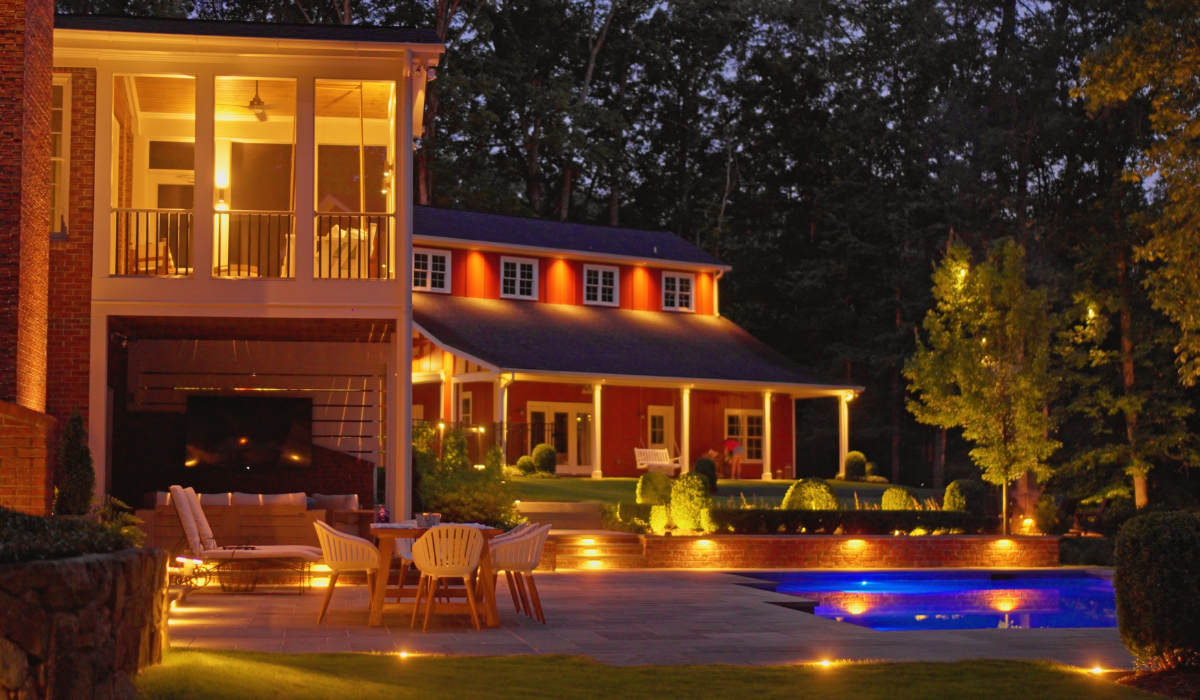
Proper lighting for outdoor security cameras is the single most overlooked factor in surveillance performance, yet it plays a critical role in how clearly cameras capture people, movement, and activity at night.
Even the most advanced security camera cannot deliver reliable footage without the right outdoor lighting supporting its field of view.
Many property owners assume cameras alone provide protection.
In reality, outdoor lighting for security cameras determines image clarity, motion detection accuracy, and whether footage is actually usable when it matters most.
Strategic lighting transforms surveillance systems from basic monitoring tools into reliable security assets.
This guide explains how lighting affects camera performance, which lighting strategies work best, and why professionally designed outdoor lighting for surveillance systems delivers long-term security benefits for residential and commercial properties.
Why Outdoor Security Cameras Depend on Proper Lighting
Security cameras rely on reflected light to capture detail. In low-light or uneven conditions, cameras compensate by increasing digital gain, which introduces grainy footage, motion blur, and lost details.
This directly affects security camera night visibility and limits identification accuracy.
Outdoor lighting for surveillance systems provides consistent illumination that allows cameras to operate within optimal exposure ranges.
Instead of relying heavily on infrared modes, cameras supported by exterior lighting capture clearer images, better depth perception, and more reliable motion tracking.
Without proper lighting, even high-resolution cameras struggle to distinguish faces, clothing, or vehicles.
Proper lighting for outdoor security cameras ensures that surveillance systems perform as intended rather than reacting to poor visibility.
How Lighting Improves Nighttime Video Clarity
Reduced Image Noise
Even, glare-free security lighting minimizes the digital noise cameras produce in darkness.
Consistent illumination allows sensors to operate efficiently, resulting in sharper footage with fewer distortions.
Improved Facial and Object Recognition
Best lighting for outdoor cameras reveals facial features, body movement, and object details that would otherwise be lost in shadows.
This is especially important for entry points, driveways, and walkways where identification matters.
Better Color Accuracy
Cameras supported by outdoor lighting capture true colors rather than washed-out or grayscale imagery.
This improves recognition of clothing, vehicles, and environmental details that are critical during incident review.
Common Lighting Mistakes That Reduce Camera Effectiveness
Many security issues stem from improper lighting design rather than insufficient brightness. Common problems include:
- Floodlights aimed directly into camera lenses, causing glare and washout
- Harsh shadows that create blind spots near walls and landscaping
- Uneven lighting that triggers false motion alerts
- Overly bright fixtures that obscure details instead of revealing them
Glare-free security lighting focuses on controlled illumination that supports camera angles, rather than overpowering the scene.
Professional lighting layouts eliminate these issues while enhancing overall security camera footage quality.
Types of Outdoor Lighting That Work Best With Security Cameras
Not all outdoor lighting improves security camera performance.
At NightVision Outdoor Lighting, lighting systems are designed with camera visibility, coverage zones, and real-world security behavior in mind not just brightness.
The goal is to deliver controlled, glare-free illumination that helps cameras capture usable footage while enhancing the overall appearance of the property.
Below are the most effective lighting types when security cameras are part of the system.
Downlighting
Downlighting is one of the most effective lighting strategies for outdoor security cameras because it mimics natural light patterns.
Mounted above viewing areas such as entryways, driveways, and walkways, downlights provide soft, even illumination that reduces glare and harsh shadows.
This lighting approach prevents light from shining directly into the camera lens, which can cause washout or overexposure.
Instead, it evenly lights the scene below, allowing cameras to capture facial features, movement, and object details with greater clarity.
Downlighting is especially effective for supporting outdoor lighting for CCTV systems in high-traffic areas.
Path and Perimeter Lighting
Path and perimeter lighting plays a critical role in defining security camera illumination zones.
These fixtures guide light along walkways, entrances, driveways, and property boundaries areas where movement is most likely to occur.
By illuminating approach paths and perimeter edges, this type of lighting helps cameras detect motion earlier and track it more accurately.
Consistent lighting along these routes reduces blind spots, improves depth perception, and minimizes false alerts caused by shifting shadows.
Path and perimeter lighting also reinforces a sense of structure and visibility around the property.
Motion-Activated Outdoor Lighting
Motion-activated outdoor lighting works in tandem with security cameras by increasing visibility precisely when activity occurs.
When movement is detected, the sudden illumination helps cameras capture sharper, more detailed footage during critical moments.
This lighting strategy supports event-based recording while also acting as a strong deterrent.
The activation of light signals awareness and exposure, often discouraging unwanted behavior before it escalates.
When professionally designed, motion lighting enhances camera performance without causing excessive brightness or disruptive glare.
Landscape Lighting for Security
Residential landscape lighting for security combines aesthetics with surveillance functionality.
Rather than focusing only on decorative effects, security-focused landscape lighting is designed to remove dark hiding areas near walls, trees, shrubs, and architectural features.
By softly illuminating these areas, landscape lighting improves camera visibility while maintaining a polished, architectural appearance.
It ensures that cameras can clearly monitor the entire scene without harsh contrasts, helping properties remain both visually appealing and well-protected.
Why Professional Design Matters
Each of these lighting types performs best when thoughtfully designed and strategically placed.
Fixture height, beam angle, spacing, and brightness levels all affect how well lighting supports security cameras.
At NightVision Outdoor Lighting, systems are designed to balance aesthetics, safety, and surveillance performance, ensuring cameras work effectively without compromising the look of the property.
Strategic Light Placement for Camera Coverage
Effective outdoor lighting for security cameras must align with camera fields of view.
Light placement should enhance visibility without interfering with lenses.
Key areas include:
- Entry doors and access points
- Driveways and garages
- Side yards and rear property lines
- Walkways and transition zones
Security camera illumination zones should overlap naturally with lighting coverage.
Proper spacing and beam angles prevent dark pockets and avoid directing light toward the camera itself, ensuring consistent performance.
Residential vs Commercial Security Lighting Needs
Residential Security Lighting
Residential security lighting focuses on safety, aesthetics, and privacy.
Homeowners benefit from subtle illumination that supports surveillance without overpowering outdoor living spaces.
Lighting designs often integrate landscape features while enhancing camera coverage.
Commercial Security Lighting
Commercial security lighting prioritizes liability reduction, visibility, and reliability.
Parking areas, building perimeters, and access points require consistent illumination that supports extended camera coverage and reduces maintenance disruptions.
Both environments benefit from professionally designed outdoor lighting for surveillance systems tailored to specific property needs.
How Professional Outdoor Lighting Design Enhances Security Systems
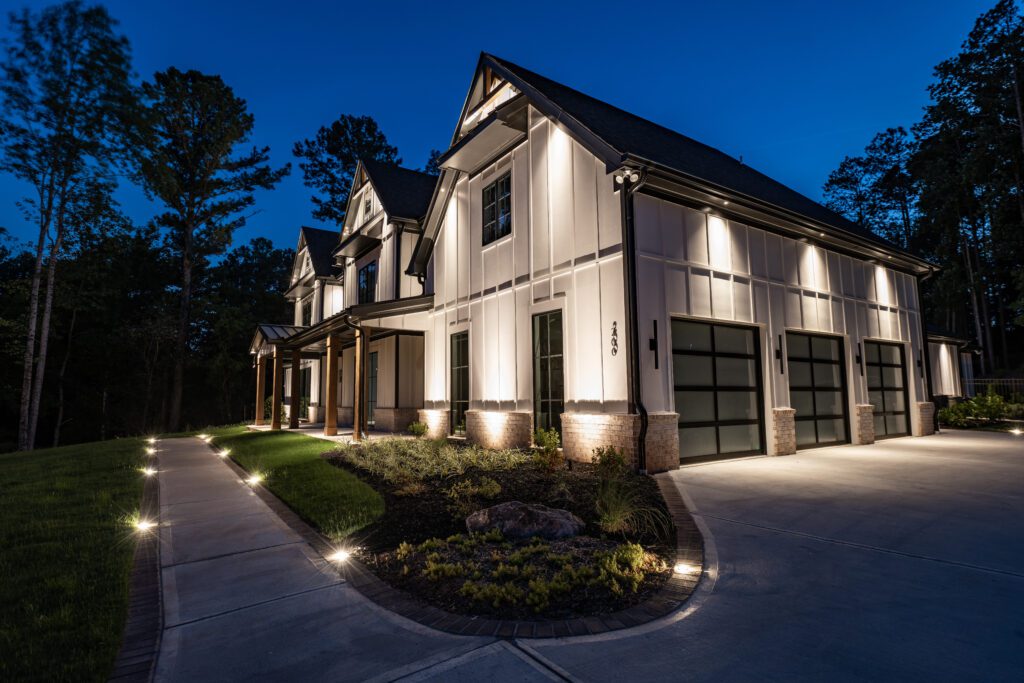
Professional outdoor lighting design goes far beyond simply installing fixtures.
Experts evaluate voltage balance, beam angles, fixture spacing, and glare control to ensure lighting supports and does and does not interfere with security camera performance.
Each element is carefully planned so cameras receive consistent, usable illumination across their entire field of view.
By designing lighting specifically for security camera night visibility, professionals reduce the need for excessive infrared reliance.
Cameras operate more efficiently with balanced light, resulting in clearer footage, sharper detail, and more accurate motion detection.
This approach also minimizes false alerts caused by shadows, glare, or sudden changes in brightness.
Proper lighting for outdoor security cameras is not just a visual enhancement—it is a functional security decision that directly affects surveillance reliability and system longevity.
Lighting as a Crime Deterrent
Well-lit properties naturally discourage criminal behavior by increasing visibility and perceived risk.
When outdoor lighting for security cameras clearly exposes movement and eliminates concealment areas, potential intruders are far less likely to approach.
Consistent lighting combined with visible cameras signals active monitoring and heightened awareness, making it clear that activity will be seen, recorded, and easily identified.
For a deeper look at how strategic lighting placement strengthens deterrence while supporting surveillance systems, explore our guide on outdoor security lighting.
Long-Term Benefits of Integrated Lighting and Security Systems
Integrating outdoor lighting with surveillance systems delivers lasting value beyond immediate security improvements.
Professionally designed systems support both safety and property performance by providing:
- Improved footage quality for investigations and incident review
- Reduced false motion alerts and system interruptions
- Lower maintenance demands and reduced equipment strain
- Enhanced curb appeal and increased property value
Investing in proper lighting for outdoor security cameras protects people and assets while improving overall system reliability and long-term performance.
Conclusion
Outdoor security cameras are only as effective as the lighting that supports them.
Proper lighting for outdoor security cameras improves visibility, enhances footage clarity, and strengthens overall surveillance performance.
When lighting and cameras work together, properties benefit from clearer monitoring, stronger deterrence, and long-term security confidence.
Upgrade Your Security With Professionally Designed Outdoor Lighting
NightVision Outdoor Lighting specializes in designing outdoor lighting systems that enhance security camera performance without sacrificing aesthetics.
Our team evaluates your property, camera placement, and visibility needs to deliver lighting solutions that improve safety, clarity, and reliability.
Schedule a professional outdoor lighting consultation today and experience the difference expert design makes.
Frequently Asked Questions
Why is proper lighting important for outdoor security cameras?
Proper lighting for outdoor security cameras improves visibility, reduces image noise, and helps cameras capture clear details at night. Without adequate illumination, footage can appear grainy or blurry. Well-designed lighting allows cameras to operate at optimal exposure levels.
What type of outdoor lighting works best for security cameras?
The best lighting for outdoor cameras provides even, glare-free illumination. Downlighting, perimeter lighting, and motion-activated outdoor lighting support surveillance without washing out the camera lens. These options improve clarity and motion detection accuracy.
Can poor lighting affect security camera night visibility?
Yes, poor lighting significantly reduces security camera night visibility. Shadows, uneven brightness, and glare can hide important details or create blind spots. Proper outdoor lighting for surveillance systems eliminates these issues and improves footage reliability.
Does outdoor lighting reduce false motion alerts on cameras?
Consistent lighting helps cameras detect movement more accurately. When outdoor lighting for security cameras eliminates sudden brightness changes and deep shadows, it reduces false motion alerts. This results in fewer unnecessary notifications and more reliable monitoring.
Is infrared night vision enough without outdoor lighting?
Infrared night vision helps cameras see in darkness but often lacks detail and color accuracy. Outdoor lighting for CCTV systems enhances depth, contrast, and recognition capabilities. Combining lighting with infrared produces clearer, more useful footage.
How should lights be positioned near security cameras?
Lights should be positioned to support the camera’s viewing angle without shining directly into the lens. Proper placement along entry points, walkways, and perimeters improves security camera illumination zones. This ensures balanced coverage without glare.
Does landscape lighting improve security camera performance?
Landscape lighting for security removes dark areas where intruders could hide. When integrated with surveillance systems, it improves visibility around paths, walls, and outdoor features. This enhances both safety and overall camera effectiveness.
Are residential and commercial security lighting needs different?
Residential security lighting focuses on subtle illumination, safety, and aesthetics. Commercial security lighting requires wider coverage, consistent brightness, and reduced liability risks. Both benefit from professional lighting designs tailored to camera placement.
Why is professional lighting design important for outdoor security cameras?
Professional lighting design ensures proper fixture spacing, beam angles, and glare control. This improves footage clarity, reduces system strain, and enhances long-term reliability. Expert design maximizes the effectiveness of outdoor lighting for surveillance systems.