
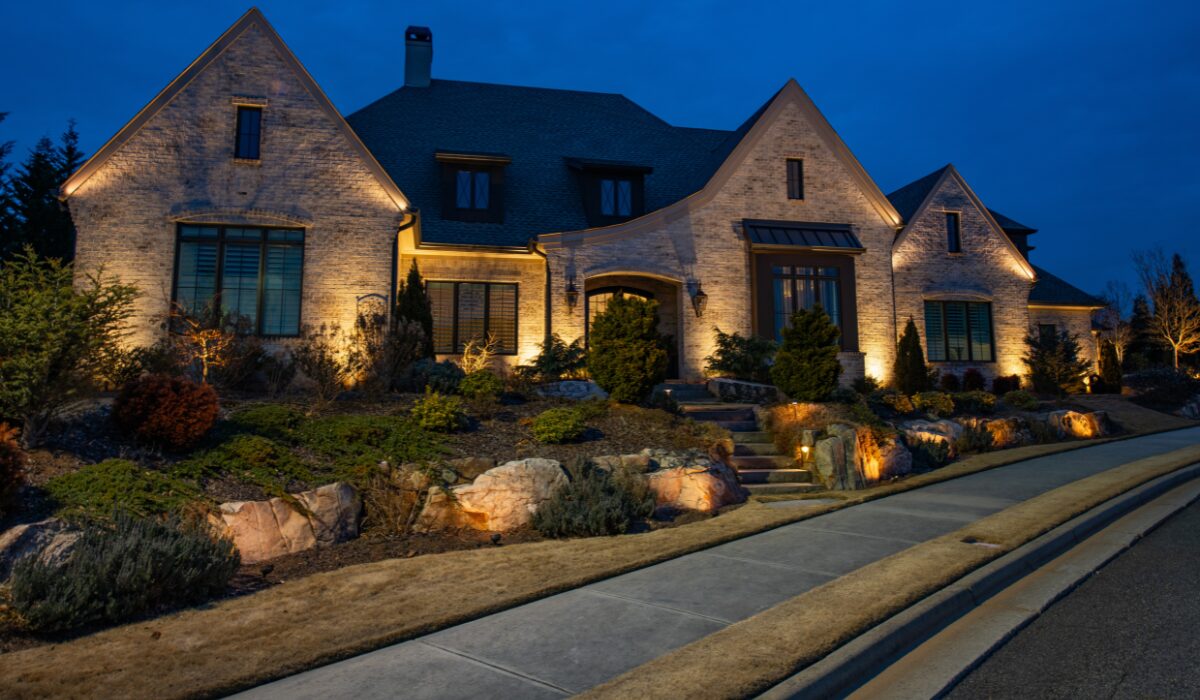
Deck and path lighting is the foundation of a truly relaxing outdoor retreat, shaping how your space feels, functions, and flows after dark.
When designed correctly, lighting transforms decks, walkways, and landscapes into welcoming extensions of your home rather than harshly lit or under-illuminated areas.
Homeowners increasingly recognize that outdoor deck lighting and pathway lighting design are not just aesthetic upgrades.
They improve safety, define movement, and create an atmosphere that encourages people to slow down and enjoy the space.
From subtle deck step lighting to thoughtfully placed landscape path lights, the right approach balances visibility with comfort.
This guide explains how to design deck and path lighting that feels intentional, cohesive, and inviting without overpowering the space or creating glare.
Why Deck and Path Lighting Defines the Outdoor Experience
Lighting determines how outdoor spaces are perceived at night.
Without proper walkway lighting solutions, decks and paths can feel disconnected, unsafe, or visually flat.
With a clear lighting strategy, these areas feel purposeful and serene.
Beyond basic visibility, deck and path lighting shapes how people interact with the space.
Thoughtfully illuminated walkways create a sense of direction, subtly guiding movement from one area to another without drawing attention to the fixtures themselves.
This sense of visual guidance helps outdoor spaces feel intuitive and easy to navigate, even for first-time guests.
A well-planned backyard lighting design allows people to move confidently while maintaining a calm visual rhythm.
Soft illumination along paths establishes continuity, while deck railing lights and recessed fixtures introduce depth and structure.
Instead of flooding the area with light, these elements work together to define boundaries, transitions, and focal points in a way that feels natural and uncluttered.
Proper lighting also plays a quiet but important role in reinforcing security. When decks, stairs, and walkways are evenly lit, dark pockets and concealment areas are minimized.
This increased visibility discourages unwanted activity while helping homeowners and guests feel more at ease outdoors.
As outlined in our guide on the safety benefits of professionally installed path and deck lighting, effective lighting enhances awareness without relying on harsh brightness or intrusive fixtures.
Most importantly, outdoor lighting for safety does not need to feel industrial or overpowering.
When design, placement, and brightness are carefully considered, safety and aesthetics work together seamlessly.
The result is an outdoor environment that feels refined, comfortable, and welcoming one that encourages relaxation rather than distraction.
Core Principles of Effective Deck Lighting Design
Layered Lighting Creates Balance
Outdoor deck lighting ideas work best when layered.
Ambient lighting provides a soft glow across the space, while task lighting supports stairs, transitions, and seating areas.
Accent lighting highlights architectural features without competing for attention.
Glare Control Preserves Comfort
Exposed bulbs and poorly aimed fixtures cause discomfort and visual fatigue.
Shielded fixtures, downward-facing light, and indirect illumination help maintain a relaxing atmosphere.
Professional outdoor lighting design prioritizes what you see, not the fixtures themselves.
Warm Color Temperatures Set the Mood
Warm white light enhances wood tones and natural materials.
Cooler light often feels stark and disrupts the retreat-like feel.
LED deck and path lights with consistent color temperature maintain visual harmony across the entire space.
Path Lighting That Feels Natural, Not Commercial
Purposeful Pathway Lighting Design
Pathway lighting design should guide movement without overpowering the landscape.
Landscape path lighting improves visibility while keeping the focus on the environment rather than the fixtures.
Proper Spacing and Placement
Even spacing prevents dark zones and harsh hotspots.
Lights placed too close together create a runway effect, while overly wide spacing compromises safety.
Low-profile fixtures maintain scale and keep attention on the path itself.
Directional Control for Visual Comfort
Downward and cross-lighting techniques soften edges and reduce glare.
Walkway lighting ideas that emphasize edges rather than centers feel more refined and less intrusive.
Popular Fixtures for Deck and Path Lighting
Deck Lighting Fixtures
Deck step lighting improves safety on stairs and elevation changes.
Deck railing lights define boundaries while maintaining openness.
Recessed and under-cap fixtures provide subtle illumination that blends into the structure.
Pathway Lighting Fixtures
Bollards, low mushroom-style lights, and in-ground options each serve different needs.
The key is consistency in scale and brightness. Landscape path lights should complement the deck lighting installation, not compete with it.
Advantages of Low-Voltage and LED Systems
Modern outdoor lighting systems are designed to deliver more than visual appeal.
Performance, safety, and long-term efficiency all play a role in how well a deck and path lighting system functions over time.
Choosing the right technology ensures that outdoor spaces remain comfortable, reliable, and cost-effective long after installation.
Energy Efficiency Without Compromising Performance
Low voltage outdoor lighting provides efficient illumination while using significantly less power than traditional line-voltage systems.
This allows homeowners to light decks, pathways, and surrounding landscapes without increasing energy costs.
Efficient power distribution also makes it easier to illuminate larger outdoor areas consistently.
Consistent Light Output and Visual Balance
LED deck and path lights are designed to maintain steady brightness over time.
Unlike older lighting technologies that dim or discolor, LEDs deliver uniform illumination that preserves the visual balance of outdoor spaces.
This consistency is essential for creating smooth transitions between decks, walkways, and landscaped areas.
Enhanced Safety for Residential Environments
Low-voltage systems operate at reduced electrical levels, minimizing the risk of shock and making them well suited for residential outdoor lighting.
This added safety is especially important in areas near foot traffic, moisture, and planting beds.
Flexible placement options allow lighting to be positioned precisely where it is needed without compromising safety.
Durability in Outdoor Conditions
Quality low-voltage LED fixtures are built to withstand temperature changes, moisture exposure, and seasonal weather conditions.
Their low heat output protects surrounding materials such as wood decking, stone paths, and plantings.
This durability reduces the likelihood of component failure and extends system lifespan.
Simplified Maintenance and Long-Term Reliability
Low voltage outdoor lighting systems require minimal upkeep when properly installed.
Fewer bulb replacements, stable electrical performance, and reliable components help reduce maintenance demands.
Over time, this results in lower ownership costs and a lighting system that continues to perform as intended.
Creating Visual Flow Between Decks, Paths, and Landscapes

Disconnected lighting designs feel chaotic. A cohesive plan aligns outdoor deck lighting with nearby walkways, gardens, and entrances.
Subtle shifts in brightness help guide movement while maintaining continuity.
Backyard lighting design works best when fixtures share similar finishes, beam spreads, and color temperatures.
This approach creates a smooth visual transition between spaces and reinforces the retreat-like atmosphere.
Common Mistakes That Disrupt Outdoor Ambiance
Overlighting is one of the most frequent errors in deck lighting installation.
Excess brightness flattens textures and creates harsh contrasts. Mismatched fixtures, uneven voltage distribution, and poor aiming also reduce system effectiveness.
Professional outdoor lighting services address these issues during design, ensuring lighting enhances rather than overwhelms the environment.
DIY Lighting vs Professional Outdoor Lighting Design
DIY solutions often struggle with voltage consistency, spacing precision, and long-term durability.
While temporary results may look acceptable, performance issues often appear over time.
Professional outdoor lighting design accounts for beam angles, fixture placement, and electrical balance.
The result is a system that delivers lasting beauty, reduced maintenance, and consistent performance across all deck and path lighting elements.
Long-Term Maintenance for Lasting Results
Energy efficient outdoor lighting systems require minimal upkeep, but periodic inspections preserve performance.
Cleaning lenses, checking connections, and adjusting fixtures as landscapes grow ensure continued reliability.
Thoughtful design simplifies maintenance and protects your investment.
Conclusion
When deck and path lighting is designed with intention, the entire outdoor space feels easier to use and more enjoyable to spend time in.
The right lighting plan brings structure to your deck, defines walkways with subtle guidance, and helps the landscape feel connected instead of scattered after dark.
By focusing on glare control, balanced brightness, and reliable low-voltage LED performance, you create a calm atmosphere that supports both safety and ambiance.
Whether you’re hosting guests or enjoying quiet evenings outside, well-planned lighting makes your outdoor areas feel finished, comfortable, and inviting every night of the year.
Bring Your Outdoor Retreat to Life With Professional Lighting
A relaxing outdoor retreat starts with trusted deck and path lighting services designed for comfort, safety, and visual balance.
At NightVision Outdoor Lighting, we specialize in residential outdoor lighting solutions that transform decks and pathways into inviting nighttime environments.
Our professional outdoor lighting services focus on precision design, high-quality materials, and long-term performance, so your outdoor spaces feel just as welcoming after sunset as they do during the day.
Schedule a professional lighting consultation today and experience the difference thoughtful deck and path lighting makes.
Frequently Asked Questions
What is the ideal brightness for deck and path lighting?
The goal is subtle illumination rather than high brightness. Deck and path lighting should provide enough visibility for safe movement while preserving a calm, relaxing atmosphere. Excessive brightness often reduces comfort and visual appeal.
How does deck lighting improve outdoor safety?
Deck step lighting and railing lights clearly define edges, elevation changes, and walking surfaces. This reduces trip hazards and improves confidence when moving through outdoor spaces at night without creating harsh glare.
Are LED deck and path lights better than traditional options?
Yes, LED deck and path lights offer greater energy efficiency, longer lifespan, and consistent color output. They also work well with low voltage outdoor lighting systems, improving safety and reliability.
How far apart should pathway lights be installed?
Spacing depends on fixture brightness and beam spread, but even placement is critical. Proper spacing prevents dark zones while avoiding overly bright areas that feel commercial rather than residential.
Can deck and path lighting increase home value?
Professionally designed outdoor deck lighting enhances curb appeal, usability, and safety. Buyers often view well-executed outdoor lighting as a premium feature that adds functional living space.
What color temperature works best for outdoor retreats?
Warm white lighting is preferred for outdoor retreats. It complements natural materials and creates a welcoming, relaxed environment compared to cooler, harsher light tones.
How often does outdoor lighting require maintenance?
Minimal maintenance is needed when systems are properly designed. Annual inspections, occasional cleaning, and minor adjustments help maintain performance and extend system lifespan.
Is low voltage outdoor lighting safe for residential use?
Low voltage outdoor lighting is safer than line-voltage systems and ideal for residential applications. It reduces electrical risk while supporting flexible design and energy efficiency.
Why hire professional outdoor lighting services instead of DIY?
Professional design ensures proper spacing, voltage balance, glare control, and long-term reliability. This results in a polished, cohesive lighting system that performs consistently year after year.