
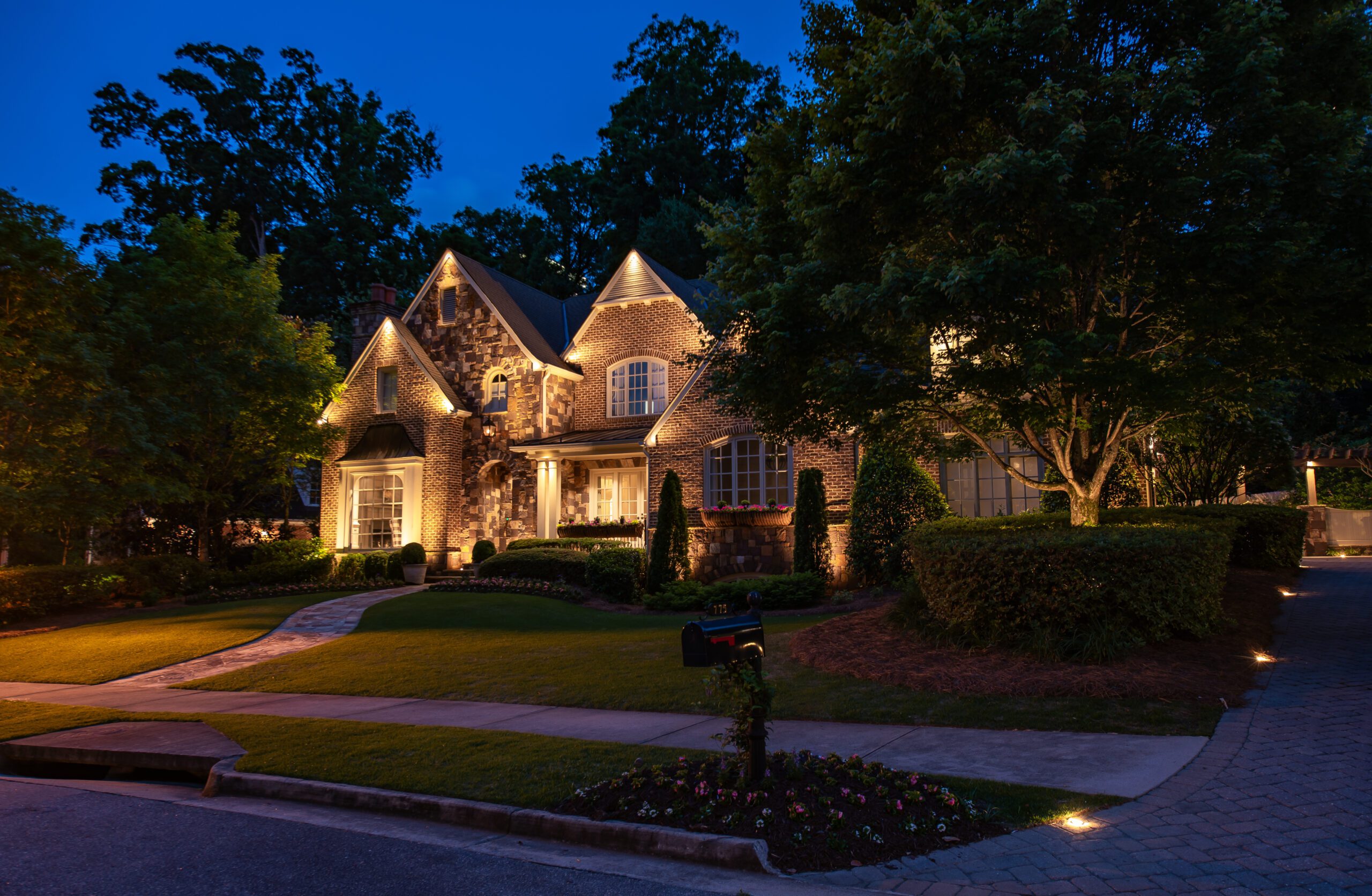
Outdoor lighting can dramatically transform your property, creating a warm, inviting ambiance while enhancing safety and security.
Whether you are installing Home Accent Lighting, Deck and Path Lighting, or replacing outdated systems with Replacement Lighting, the process requires careful planning and execution.
Unfortunately, many homeowners make common mistakes that compromise the effectiveness, aesthetics, and longevity of their outdoor lighting.
In this article, we’ll walk you through the ten mistakes to avoid during outdoor lighting installation, ensuring your property shines beautifully all year round.
1. Skipping a Detailed Lighting Plan
One of the most frequent mistakes homeowners make is diving into installation without a clear plan.
Outdoor lighting is not just about placing lights randomly; it’s about creating balance, highlighting key features, and ensuring functionality.
A comprehensive lighting plan should include:
- The areas you want to illuminate
- The type of lighting for each area (Home Accent Lighting for aesthetic appeal, Deck and Path Lighting for safety, etc.)
- Placement and spacing of fixtures
- Electrical and power requirements
Failing to plan often results in uneven lighting, shadows, or excessive brightness, which can diminish the beauty of your landscape and outdoor areas.
2. Ignoring the Purpose of Each Light
Each type of outdoor lighting serves a unique purpose.
Home Accent Lighting is designed to highlight architectural features, trees, or water features.
Deck and Path Lighting focuses on safety by illuminating walkways and patios, while Replacement Lighting may address functionality or outdated designs. Installing lights without understanding their purpose can lead to mismatched aesthetics or insufficient illumination, making some areas too bright while leaving others in darkness.
3. Overlooking Lighting Layers
Effective outdoor lighting relies on layering.
This means combining different types of lights to achieve depth, contrast, and visual appeal.
There are three essential layers to consider:
- Ambient lighting: Provides overall illumination for a space
- Task lighting: Illuminates specific areas for activities, such as a deck for dining or a pathway for walking
- Accent lighting: Highlights key features like sculptures, trees, or garden beds
Many homeowners install just one type of lighting, which can make spaces feel flat, uninviting, or unsafe.
Using layered lighting ensures your outdoor spaces are functional and visually striking.
4. Incorrect Fixture Placement
Improper fixture placement is a common error that can undermine your outdoor lighting’s effectiveness.
Here are a few guidelines:
- Position Home Accent Lighting to avoid harsh shadows or glare
- Space Deck and Path Lighting evenly for consistent visibility
- Place Replacement Lighting fixtures where they complement existing landscape elements
Poor placement can create dark spots, excessive glare, or wasted energy.
For example, a pathway light that’s too close to another may produce a blinding effect, while one that’s too far can leave large sections of the path in shadow.
5. Using the Wrong Bulb Type or Brightness
Choosing the wrong bulbs can ruin your outdoor lighting design.
Outdoor fixtures often require low-voltage LED bulbs for energy efficiency and longevity.
Using bulbs with the wrong brightness or color temperature can disrupt the mood and visual harmony:
- Warm white (2700K-3000K): Ideal for Home Accent Lighting and creating a cozy ambiance
- Cool white (4000K-5000K): Better for security lighting or task-oriented areas
- Excessively bright bulbs: Can overwhelm the space and cause discomfort
Always select bulbs compatible with your fixtures, and consider the desired effect before installation.
6. Ignoring Electrical Safety and Local Codes
Electrical safety is crucial in outdoor lighting.
Improper installation can pose fire hazards, increase energy consumption, or lead to system failures. Some mistakes include:
- Using indoor-rated fixtures outdoors
- Incorrect wiring or connections
- Failing to install ground-fault circuit interrupters (GFCIs)
Additionally, local building codes may dictate certain installation standards, especially for Deck and Path Lighting near public walkways or shared spaces.
Always follow manufacturer instructions and consult a professional if unsure.
7. Overlooking Maintenance Accessibility
Outdoor lighting requires periodic maintenance, such as bulb replacement, cleaning fixtures, or adjusting angles.
Installing lights in hard-to-reach areas can make maintenance difficult and costly.
When planning Home Accent Lighting or Deck and Path Lighting:
- Ensure fixtures are accessible for routine checks
- Avoid burying wiring in a way that complicates future repairs
- Consider modular or replacement-friendly fixtures for easy upgrades
Neglecting accessibility can result in lights going out permanently, which diminishes both safety and aesthetics.
8. Over-Illuminating Spaces
While it’s tempting to use plenty of lighting to ensure safety and visibility, over-illumination can create glare, disturb neighbors, and waste energy.
Too much light can also reduce the dramatic effect of accent lighting and make landscapes appear unnatural.
To avoid over-illumination:
- Use dimmers or timers to control light intensity
- Focus on key features rather than illuminating every corner
- Combine multiple layers for balanced lighting without excessive brightness
Properly controlled lighting enhances the beauty of your outdoor spaces while conserving energy.
9. Neglecting Environmental Considerations
Outdoor lighting should complement, not disrupt, your environment.
Neglecting environmental factors can lead to fixture damage, wildlife disturbance, or rapid wear and tear.
Keep in mind:
- Choose weather-resistant fixtures for areas exposed to rain, snow, or extreme sun
- Avoid excessive light near trees or gardens to prevent harming plants and nocturnal wildlife
- Consider solar-powered options for sustainable energy use
A thoughtful approach to environmental factors ensures your lighting remains functional and eco-friendly.
10. DIY Installation Without Expertise
Finally, one of the biggest mistakes is attempting a complex outdoor lighting installation without professional expertise.
While DIY kits are available, they often don’t account for design principles, electrical safety, or long-term maintenance.
Partnering with experienced professionals like NightVision Outdoor Lighting ensures:
- Expert selection and placement of Home Accent Lighting, Deck and Path Lighting, and Replacement Lighting
- Proper adherence to electrical codes and safety standards
- A polished, aesthetically pleasing result that enhances property value
With over 25 years of experience and installations in more than 5,000 homes, NightVision Outdoor Lighting has perfected the art of creating stunning, functional outdoor spaces in Metro Atlanta, North Georgia, and Canton.
Conclusion
Outdoor lighting is a valuable investment that can enhance your property’s beauty, safety, and functionality.
However, mistakes such as poor planning, incorrect fixture placement, over-illumination, or neglecting electrical safety can compromise your efforts.
By avoiding these ten common errors, you can create a harmonious, visually appealing outdoor environment.
Whether you’re installing Home Accent Lighting to highlight architectural features, Deck and Path Lighting for safety, or updating with Replacement Lighting, professional guidance ensures your lighting system performs optimally for years to come.
For Atlanta homeowners seeking reliable, high-quality outdoor lighting solutions, NightVision Outdoor Lighting provides expertise, experience, and unmatched value.
Let us transform your outdoor spaces into stunning nighttime showcases while ensuring safety, efficiency, and elegance.
FAQs
What is Home Accent Lighting, and why is it important?
Home Accent Lighting highlights key architectural features, trees, or landscaping elements. It adds depth, creates visual interest, and enhances the overall aesthetic of your outdoor space. Avoid placing accent lights haphazardly, as this can result in uneven lighting or glare.
How do I choose the right Deck and Path Lighting?
Deck and Path Lighting should focus on safety and navigation while complementing your landscape. Consider spacing, brightness, and fixture placement. Avoid over-illumination or inconsistent spacing, as it can create shadows or glare, reducing both safety and appeal.
When should I consider Replacement Lighting?
Replacement Lighting is ideal for upgrading outdated or malfunctioning fixtures. It’s also a chance to improve energy efficiency and aesthetic appeal. Avoid simply swapping lights without evaluating placement and function, as this may not address visibility or design issues.
Can I install outdoor lighting myself, or should I hire a professional?
While DIY kits exist, complex installations involving wiring, layered lighting, or accent effects are best handled by professionals. Expert installers ensure compliance with electrical codes, proper fixture placement, and optimal lighting design.
How can I prevent over-illumination in my outdoor lighting setup?
Use dimmers, timers, or motion sensors to control brightness. Focus lighting on specific areas rather than flooding the entire yard. Combining Home Accent Lighting with Deck and Path Lighting strategically ensures balanced illumination.
What types of bulbs work best for outdoor lighting?
LED bulbs are highly recommended for their energy efficiency and longevity. Choose warm white (2700K–3000K) for ambiance and Home Accent Lighting, and cool white (4000K–5000K) for task-oriented areas like pathways or decks. Always match the bulb with the fixture’s voltage and rating.
How do I maintain my outdoor lighting system?
Regular maintenance includes cleaning fixtures, replacing burned-out bulbs, and checking wiring. Plan your installation to allow easy access to all lights, whether Home Accent, Deck and Path, or Replacement Lighting, to reduce long-term maintenance challenges.
What safety precautions should I take during installation?
Always use outdoor-rated fixtures, install GFCI outlets for electrical protection, and follow local codes. Avoid exposed wiring and improper grounding. For complex installations, professional guidance ensures safety and compliance.
How can I layer my outdoor lighting effectively?
Combine ambient lighting for overall illumination, task lighting for specific areas like decks and pathways, and accent lighting to highlight features. Proper layering prevents flat or unappealing lighting designs and enhances both safety and aesthetics.
What are common environmental mistakes in outdoor lighting?
Placing lights too close to plants or water features, ignoring weather resistance, or using excessive brightness can harm the environment and reduce fixture lifespan. Use weather-resistant fixtures and consider wildlife-friendly lighting to protect your landscape.